
Symptoms
Yellow leaves
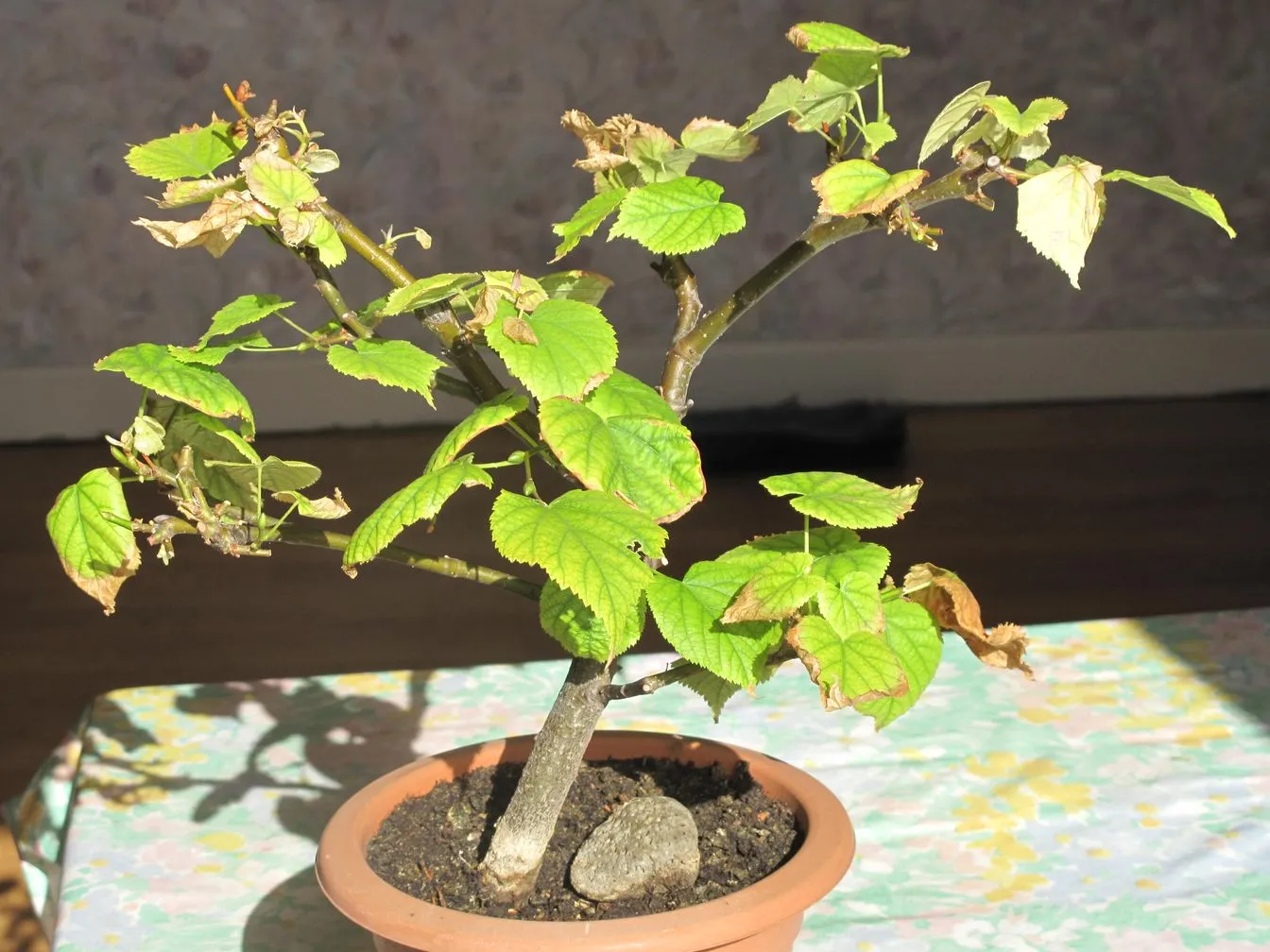

Quick answer
Why are my plant's leaves turning yellow?
Most often it's overwatering: soil that stays wet starves the roots of air. Feel the soil before anything else — wet means water less, bone dry means water thoroughly, and a single old leaf at the bottom yellowing slowly is just the plant retiring it.
Not sure what's wrong? Photograph your plant with Flora. The health check tells you what the problem is and what to do next. Get the app
A yellow leaf won't turn green again, so the goal is to stop the next one. The pattern tells you the cause: which leaves, how many, how fast, and what the soil feels like.
How to tell which cause it is
- Soft yellow leaves, several at once, soil still wet: overwatering. The most common cause by far.
- Yellow and crispy, soil bone dry, plant limp: underwatering.
- Only the oldest, lowest leaves, one at a time: natural ageing. Nothing to fix.
- New leaves pale or yellow between green veins: a nutrient problem, often magnesium or iron, or hard water locking them up.
- Pale all over, stretching towards the window: too little light.
- Fine yellow speckles, webbing underneath: spider mites.
How to fix it
Overwatering: stop watering until the top few centimetres are dry. Check that the pot has a drainage hole and that no water stands in the cover pot. If the soil smells sour or the stem base is soft, check the roots for rot.
Underwatering: water slowly until it runs out of the bottom. If the soil has shrunk from the pot and water runs straight through, stand the pot in a bowl of water for 20 minutes.
Light: move it closer to a bright window, within a metre or two, out of harsh midday sun.
Nutrients: feed with a balanced liquid fertiliser at half strength during spring and summer, and repot plants that have sat in the same soil for more than two years.
Pull off leaves that are more than half yellow; the plant is no longer using them.
How to prevent it
Water by the soil, not the calendar: push a finger in and water only when it's dry to the depth the plant likes. Use pots with drainage holes, empty saucers after watering, and water less in winter, when growth slows and soil dries more slowly.
Still unsure? Ask Plant Whisperer in the app. It knows your plants, their history and where they stand, and answers about yours, not plants in general. Get the app