Symptoms
Root rot
Quick answer
How do I know if my plant has root rot, and can I save it?
Root rot is roots dying in soil that stays wet. Signs are yellowing and wilting despite wet soil, a musty smell and a soft stem base. Unpot the plant, cut every brown, mushy root back to firm tissue, and repot in fresh, well-draining soil in a pot with drainage holes — then water sparingly.
Not sure what's wrong? Photograph your plant with Flora. The health check tells you what the problem is and what to do next. Get the app
Roots need air as well as water. In soil that never dries, they suffocate, die, and rot sets in and spreads. Caught early, most plants can be saved.
How to tell
Above the soil: leaves yellowing or wilting although the soil is wet; black or soft patches at the stem base; a sour, musty smell from the pot; fungus gnats around it.
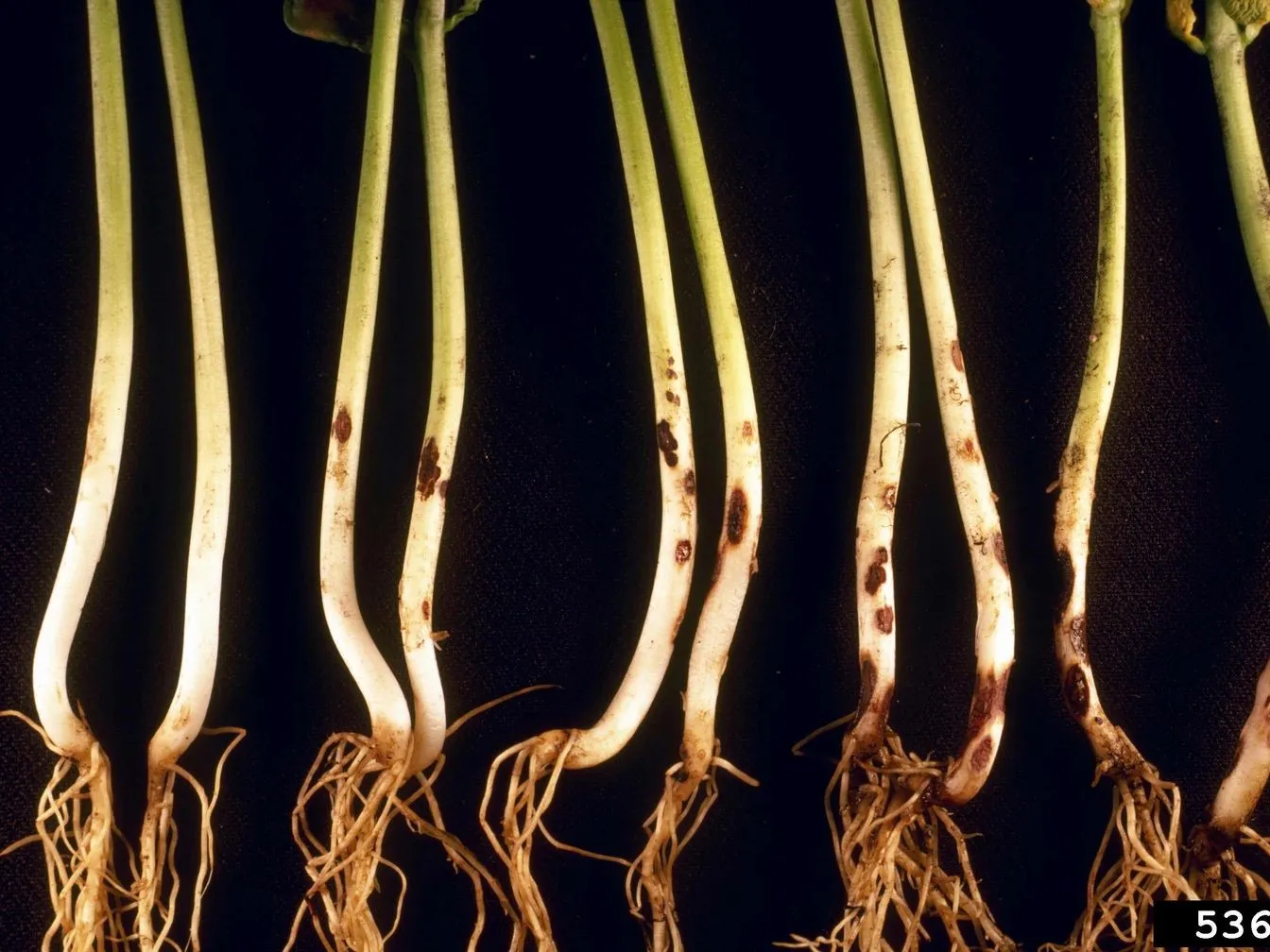
Below the soil: slide the plant out. Healthy roots are firm and white, cream or light tan. Rotten roots are brown or black, soft and mushy, and the outer layer slips off when you pull gently.
How to save the plant
- Take the plant out of its pot and gently remove the old soil. Rinse the roots in lukewarm water so you can see them.
- Cut off every rotten root with clean, sharp scissors, back to firm healthy tissue. Wipe the blades with alcohol between cuts.
- If you removed a lot of the root system, remove some leaves too, so the plant has less to supply.
- Repot in fresh, well-draining potting mix (add perlite or bark for most plants, cactus mix for succulents), in a clean pot with a drainage hole, no bigger than the remaining roots need.
- Water lightly once, then wait until the top of the soil is dry before watering again. Keep it bright but out of direct sun while it recovers.
If the stem itself is soft and rotten, the plant is usually lost — take cuttings from any healthy parts and root them instead.
How to prevent it
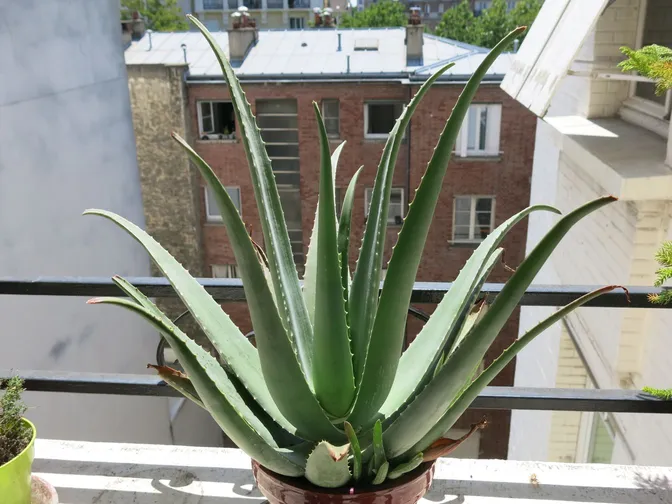
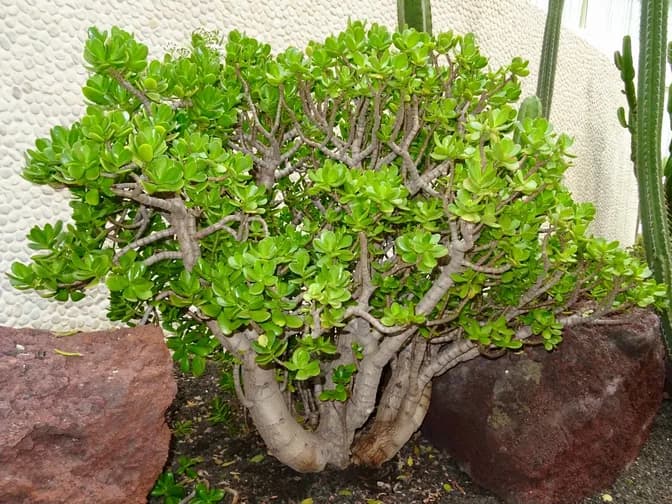
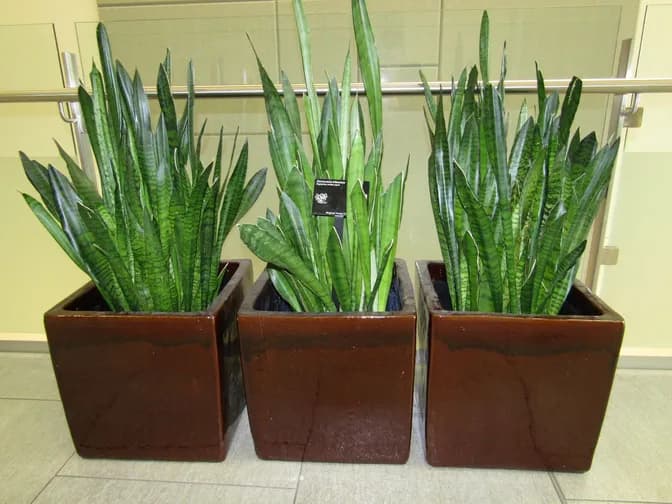
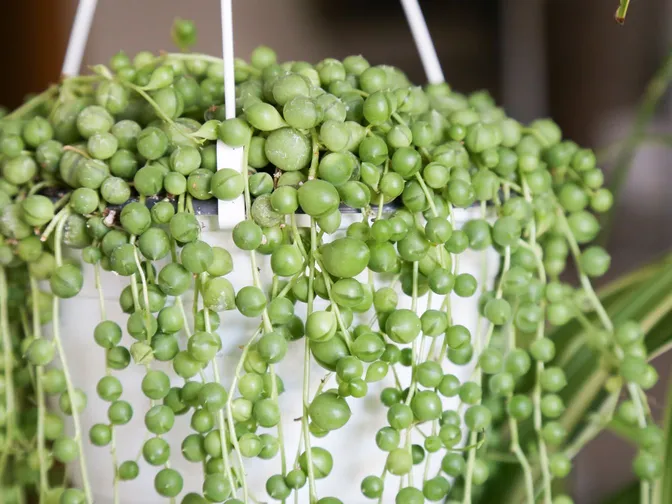
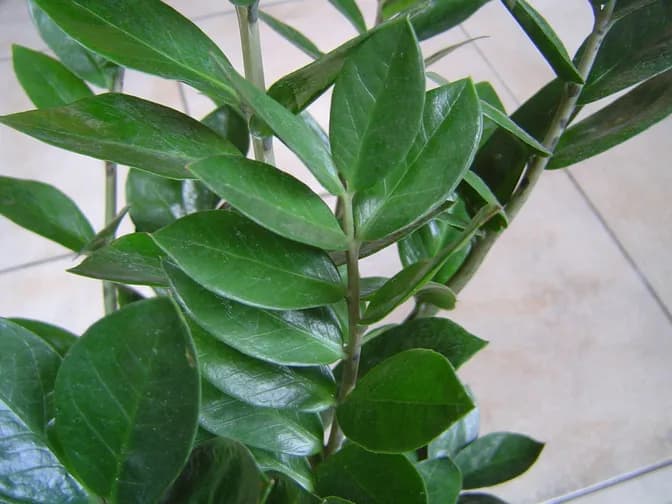
Only water when the soil has dried to the depth the plant likes, always use pots with drainage holes, empty cover pots after watering, and don't size up the pot by more than a few centimetres at a time. Succulents, snake plants and ZZ plants are the most at risk: they store water and want their soil completely dry between waterings.
Still unsure? Ask Plant Whisperer in the app. It knows your plants, their history and where they stand, and answers about yours, not plants in general. Get the app