
Snake plant care
Dracaena trifasciata
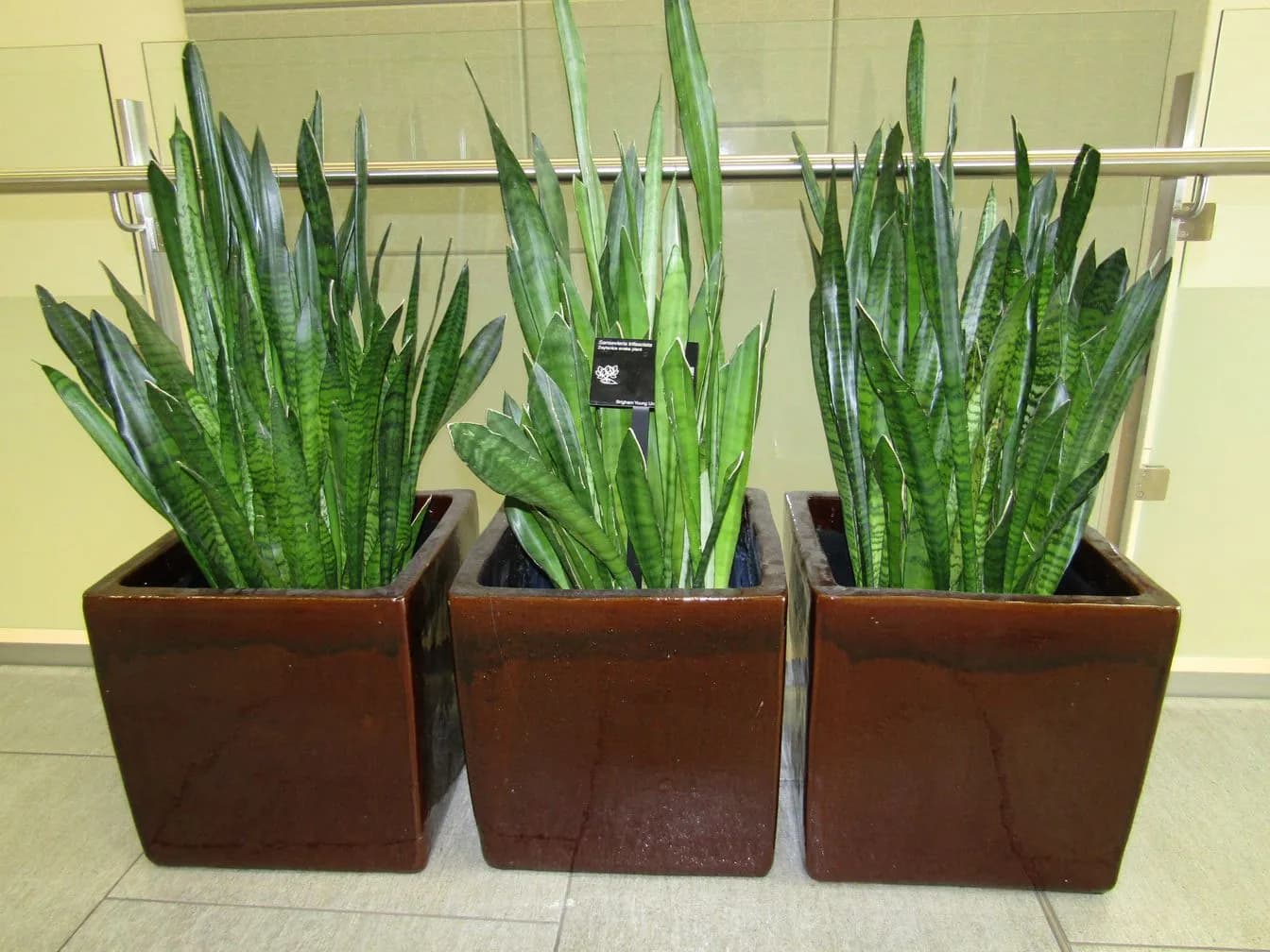
.jpg)
At a glance
- Light
- Bright, indirect light · tolerates low light
- Watering
- Every 14–21 days in summer, every 28–42 days in winter — when the soil is dry all the way through
- Humidity
- Dry air is fine
- Temperature
- 10–30 °C (50–86 °F)
- Difficulty
- Easy
- Pets
- Toxic to cats and dogs
Intervals are typical indoor ranges. Your light, pot and season change them — always check the soil first. Pet safety per the ASPCA plant lists.
The snake plant (formerly Sansevieria, now Dracaena trifasciata) is famous for thriving on neglect. The one thing that reliably kills it is kindness in the form of too much water.
Light
It grows best in bright, indirect light and tolerates a few hours of direct sun. It also survives in low light — a dim hallway or a north-facing room — where it simply grows very slowly.
Watering
Let the soil dry out completely before watering again. In summer that usually means every two to three weeks; in winter, once every four to six weeks is often enough. When in doubt, wait. A snake plant stores water in its leaves and handles drought far better than wet soil.
Soil and repotting
Use cactus or succulent soil, or regular potting soil mixed with plenty of grit or perlite, in a pot with a drainage hole. Terracotta helps the soil dry faster. It likes being slightly root-bound: repot only every two to three years, or when the roots start deforming the pot.
Humidity and temperature
Dry indoor air is no problem. Keep it above 10 °C — cold, wet soil in winter is the classic cause of rot.
Common problems
- Soft, mushy leaves or base: root rot from overwatering. Remove rotten parts, let it dry, repot in fresh gritty soil.
- Yellow leaves: usually too much water, occasionally cold.
- Wrinkled, curling leaves: it has been dry for too long. Water thoroughly once.
- Leaves falling over: too little light or too much water.
Is a snake plant safe for pets?
No. Snake plants contain saponins and are toxic to cats and dogs; eating them causes nausea, vomiting and diarrhea. Symptoms are usually mild, but keep it away from pets that chew leaves.