
ZZ plant care
Zamioculcas zamiifolia
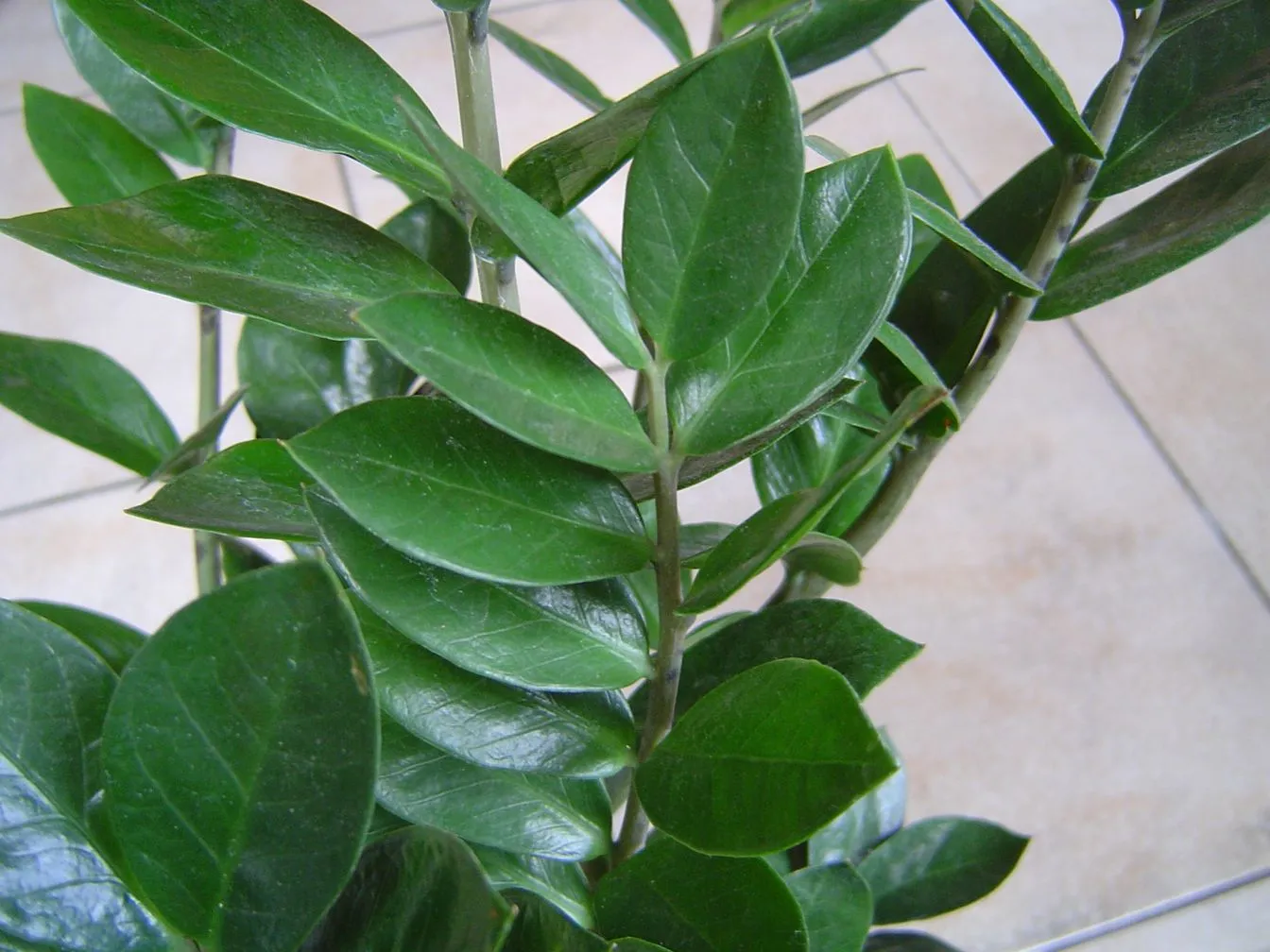

At a glance
- Light
- Medium, indirect light · tolerates low light
- Watering
- Every 14–21 days in summer, every 28–42 days in winter — when the soil is dry all the way through
- Humidity
- Dry air is fine
- Temperature
- 15–29 °C (59–84 °F)
- Difficulty
- Easy
- Pets
- Toxic to cats and dogs
Intervals are typical indoor ranges. Your light, pot and season change them — always check the soil first. Pet safety per the ASPCA plant lists.
The ZZ plant (Zamioculcas zamiifolia) stores water in thick underground rhizomes, which makes it one of the most drought-tolerant houseplants — and one of the easiest to overwater.
Light
It grows best in medium to bright indirect light, but tolerates low light better than almost any other houseplant. In a dark corner it keeps its glossy leaves and simply grows very slowly. Avoid hot direct sun.
Watering
Let the soil dry out completely between waterings. That is usually every two to three weeks in summer and every four to six weeks in winter. If you're unsure, wait another week — a thirsty ZZ plant is fine; a waterlogged one rots.
Soil and repotting
Use a well-draining mix — potting soil with plenty of perlite or cactus soil — in a pot with a drainage hole. Repot only when the rhizomes crowd the pot, usually every two to three years.
Humidity and temperature
Normal or dry room air is fine. Keep it between 15 and 29 °C.
Common problems
- Yellow leaves, soft stems: overwatering and the start of rot. Let it dry out, and check the rhizomes for mushy spots.
- Wrinkled stems or leaves: it has been dry too long. Water thoroughly.
- Leaning or stretching: reaching for light. Move it closer to a window.
- No new growth: normal in low light and in winter.
Is a ZZ plant safe for pets?
No. The ZZ plant contains calcium oxalate crystals and is toxic to cats and dogs, causing mouth irritation, drooling and vomiting.