English ivy care
Hedera helix
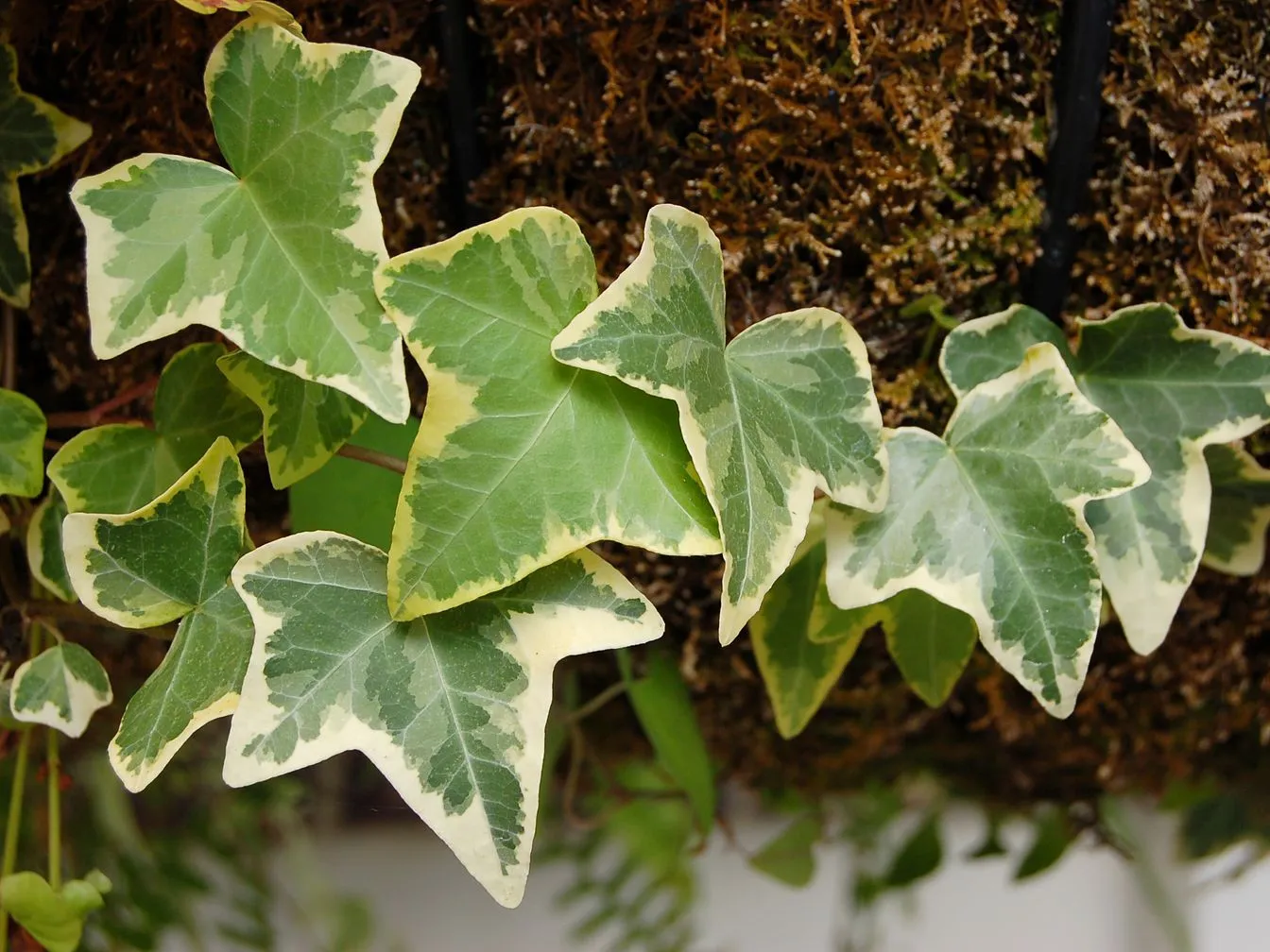
English ivy (Hedera helix) is a classic trailing and climbing houseplant with lobed leaves. It prefers cool rooms, is easy to propagate, but is toxic to cats and dogs, and it is the houseplant spider mites love most.
At a glance
- LightBright, indirect light · tolerates low light
- WateringEvery 7–10 days in summer, every 14–21 days in winter — when the top few cm of soil are dry
- HumidityNormal room humidity
- Temperature5–24 °C (41–75 °F)
- DifficultyModerate
- PetsToxic to cats and dogs
- Common problemsYellow leaves · Brown tips and edges · Leggy growth · Spider mites
Intervals are typical indoor ranges. Your light, pot and season change them — always check the soil first. Pet safety per the ASPCA plant lists.
Light
Bright, indirect light keeps it dense and the variegation clear. It tolerates medium light, where it grows more slowly and stretches. Plain green types cope with less light than variegated ones.
Not sure a spot is bright enough? Flora's Spot Finder measures the light with your phone's camera and shows which spots suit which plants. Get the app
Watering
Water when the top 2–3 cm of soil are dry, usually every 7 to 10 days in summer and every two to three weeks in winter. It dislikes both soggy soil and a pot that dries out completely.
Flora reminds you when it's time to water, learns from what you actually do and adjusts through the seasons. Skip, snooze or switch on vacation mode. Get the app
Soil and repotting
Use a standard, well-draining potting mix in a pot with drainage. Repot every year or two in spring when the roots fill the pot.
Humidity and temperature
Ivy likes a cool room, between about 5 °C and 24 °C, and moderate humidity. Warm, dry air from heating is its main enemy because it invites spider mites. A cool bright windowsill, an occasional shower, and a regular look at the undersides of leaves keep it healthy.
Training and propagating
Trim long strands in spring to keep it full, and root the cuttings in water or moist soil. Train stems around a hoop or trellis or let them hang from a shelf.
Common problems
- Fine webbing and speckled, dull leaves: spider mites; shower the plant and treat it early.
- Brown, crispy leaf edges: dry air or irregular watering.
- Yellow leaves: overwatering.
- Leggy, bare strands with small leaves: not enough light.
- Dropping leaves: a sudden change in temperature or light, or a dry root ball.
Is your English ivy healthy? Photograph it with Flora: you get a health check and a watering schedule that adapts to your light, your season and your weather. Get the app
Is English ivy safe for pets?
No. English ivy is listed as toxic to cats and dogs by the ASPCA: chewing the leaves causes drooling, vomiting and diarrhea. Keep it out of reach and call your vet if a pet has eaten some.