
The Best Plants for a Dark Flat (and What Low Light Means)
· 5 min read
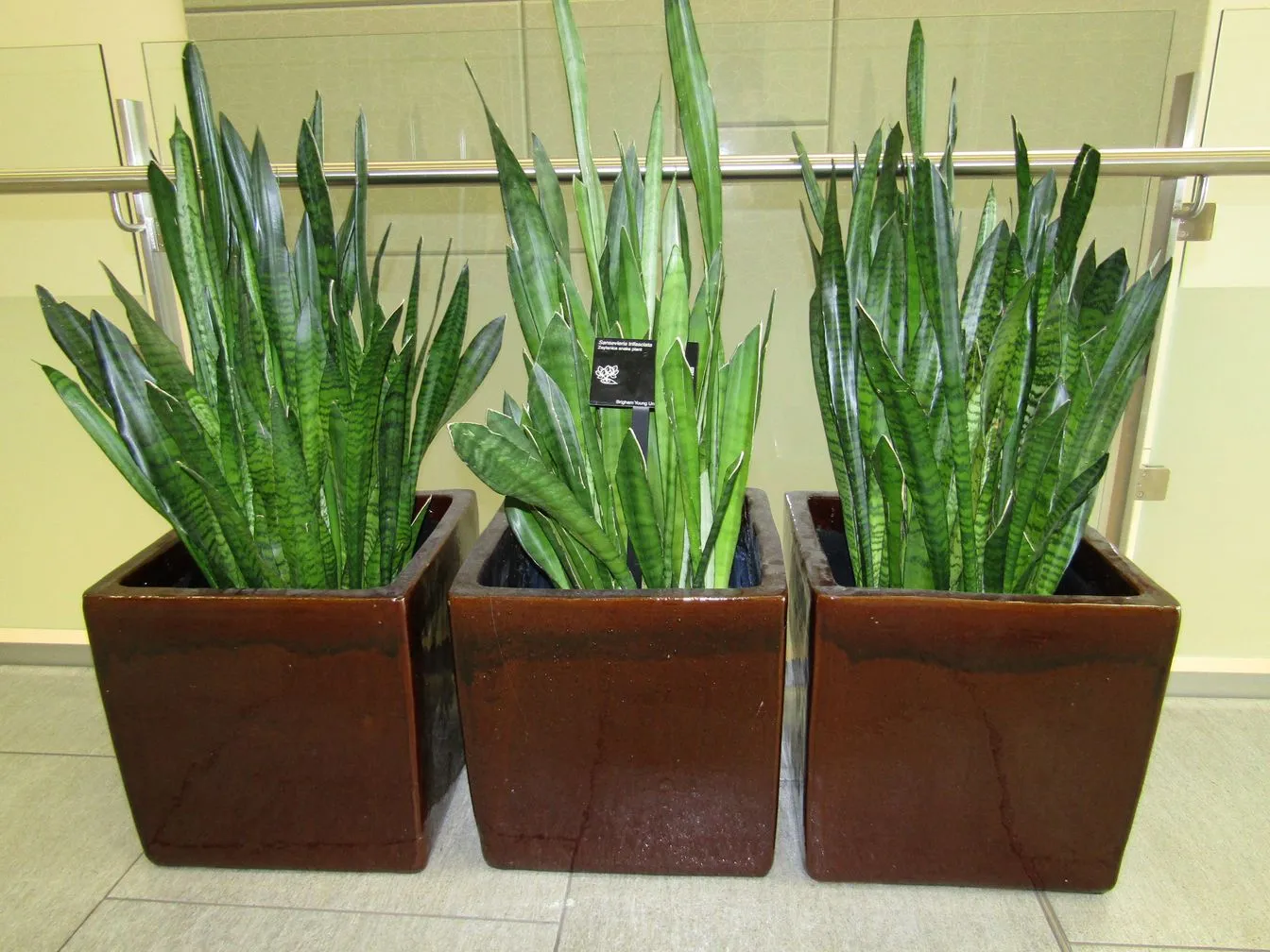

The best plants for a dark flat are the ones that tolerate low light: snake plant, ZZ plant, pothos, parlor palm, Chinese evergreen and peace lily. No plant grows well in a truly dark room, so the honest goal is a plant that survives and stays tidy while you place it as close to the window as you can.
The rest of this article is the detail: what "low light" really means, which plants cope, where to put them, and how to water a plant that barely grows.
What "Low Light" Really Means
On a plant label, "low light" doesn't mean a dark corner. It means a spot that is bright enough to read in without a lamp, but where the sun never reaches the leaves. That is roughly 250 to 1,000 lux at midday, against 2,500 lux or more for the plants labelled "bright indirect".
Three things make a flat darker than it looks:
- Distance from the window. Light falls away quickly: a metre back from the glass often gets half of the windowsill, and two to three metres back sometimes a tenth.
- What's outside. A tree, a building across the street or a balcony above can cut the light for the whole room.
- Winter. The same spot can get a third of its summer light, so a plant that was fine in July may sulk in January.
Under about 250 lux, even the toughest plant slowly declines. If that's your only option, a plain full-spectrum grow light on a timer is the fix, not a different plant.
Plants That Cope With Low Light
These are the guides on Flora's site that tolerate a dim spot. All of them forgive a missed watering.
- Snake plant: the classic. Stiff upright leaves, almost indestructible, happy to be ignored. Toxic to pets.
- ZZ plant: glossy leaves, stores water in its rhizomes and survives long dry spells. Toxic to pets.
- Pothos: trailing vines that look good on a shelf, and the first to tell you when it wants more light, by growing long gaps between leaves. Toxic to pets.
- Parlor palm: a soft, feathery look without the drama of a large palm. Pet-safe.
- Chinese evergreen: patterned leaves that tolerate dim corners; darker green varieties cope best. Toxic to pets.
- Peace lily: one of the few that flowers in modest light, and it droops dramatically when thirsty and recovers within hours. Toxic to pets.
- Spider plant: fast and forgiving, and pet-safe, though it colours best with some brighter light.
- Heartleaf philodendron: trailing, easy and happy in medium to low light. Toxic to pets.
If a plant isn't on this list, don't assume it will cope. Fiddle leaf fig, rubber plant, monstera and succulents all want much more light than a dark corner offers.
Where to Put Them
- As close to the window as you can, even if it isn't the prettiest spot. Half a metre makes a visible difference to a low-light plant.
- Beside the window, not in front of it, if the sun is strong enough to scorch in summer; the light is gentler and still useful.
- Bring plants forward in winter and let them drift back in summer.
- Avoid hallways and windowless bathrooms unless you plan to add a grow light. Those rooms are usually below 250 lux.
- Turn the pot a quarter turn every week or two so all sides get a share.
- Keep leaves dusted. Dust on a leaf cuts the light it can use, and in a dim room every bit counts.
Watering a Plant in Low Light
Less light means less growth, which means less water used. The most common way to kill a low-light plant is to water it as if it were sitting in a bright window.
- Check the soil with a finger before watering: wait until the top few centimetres are dry for most of these plants, and until it's almost dry all the way down for snake plant and ZZ plant.
- Water less in winter, when growth slows further. A fixed weekly schedule overwaters exactly the plants that need it least.
- Use a pot with drainage and empty the saucer after watering.
- Don't feed a plant that isn't growing. Fertiliser in low light builds up as salt in the soil and burns the roots; a light feed in the growing season is plenty.
Yellow, soft leaves and a sour smell from the pot usually mean too much water, not too little light.
Signs a Plant Needs More Light
Low-light plants are tolerant, not immune. Look for:
- long, thin stems with big gaps between the leaves
- new leaves smaller than the old ones
- variegated leaves turning plain green
- leaning hard toward the window
- lower leaves yellowing and dropping
If you see several of these, move the plant closer to the window or add a grow light, rather than just watering differently.
The Short Version
- No plant thrives in true darkness; choose plants that tolerate low light and put them near the window.
- "Low light" means about 250 to 1,000 lux, bright enough to read by but with no sun on the leaves.
- Snake plant, ZZ plant, pothos, parlor palm, Chinese evergreen and peace lily cope best.
- Water by the soil, not the calendar, and less in winter.
- Below about 250 lux, add a grow light instead of changing plants.
Flora's Spot Finder takes the guesswork out of the first step. Point your phone's camera at the spot where a plant would stand, and it turns one reading, together with the time of day, the date and the direction the window faces, into an estimate of how much light that spot gets over the whole day. Measure a few spots and it shows which suits which plant.