
Why Watering Plants on a Schedule Doesn't Work (and What Does)
· 5 min read
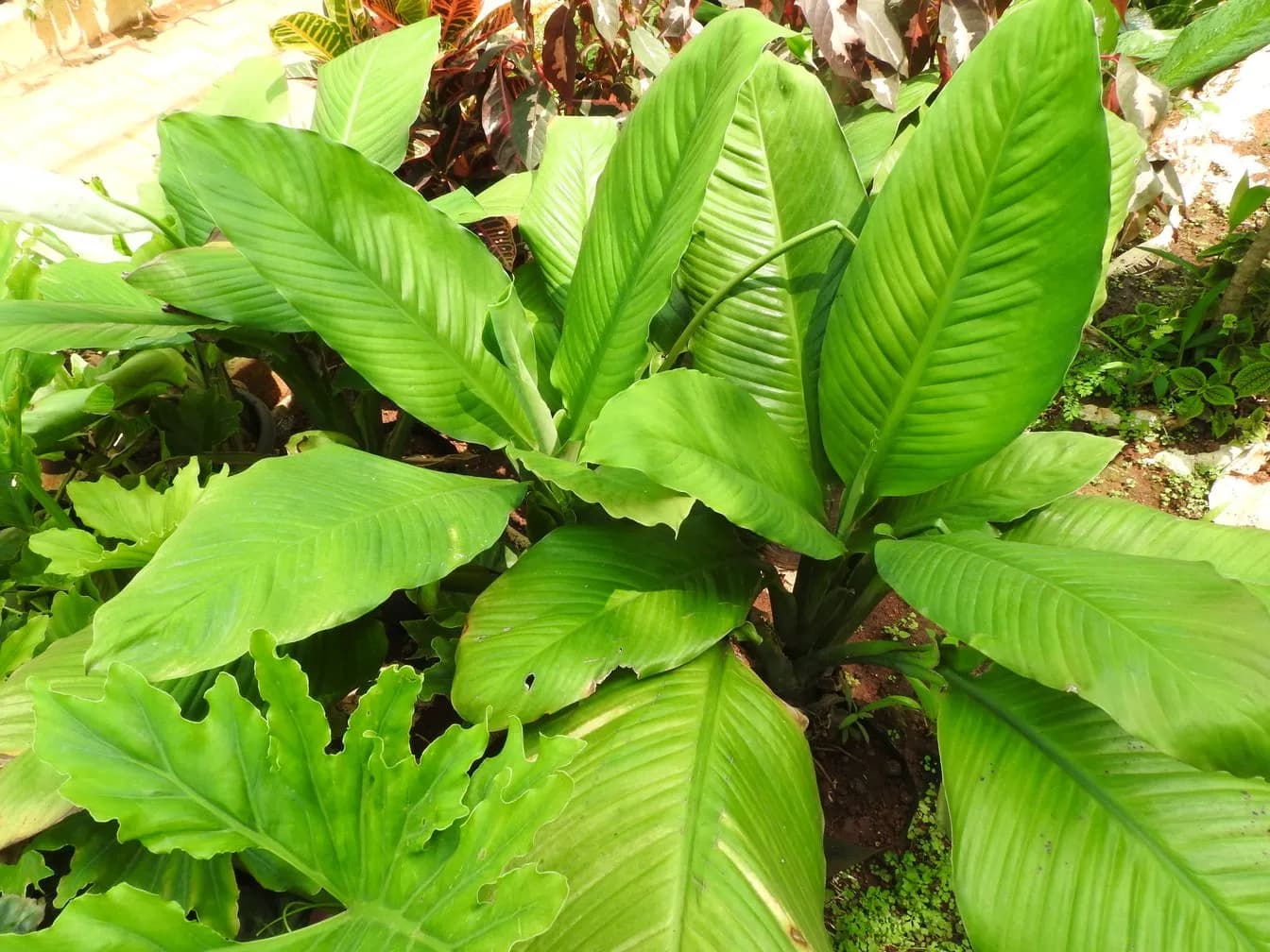

Watering on a fixed schedule fails because a plant's thirst changes all the time: with the light, the season, the temperature, the pot and the plant's own growth. Water when the soil tells you to, check it before every watering, and use any schedule only as a reminder to look.
"Once a week" is the most common answer to "how often should I water my plant?", and the most common reason houseplants die.
What Really Decides How Fast Soil Dries
The same plant in the same pot can need water every four days in July and every three weeks in January. What changes:
- Light. More light means faster growth and more water used. A plant on a sunny windowsill drinks far more than the same plant two metres back.
- Season. Short winter days slow most plants almost to a stop. Their water use drops with them.
- Temperature and air. Warm, dry, moving air dries soil and leaves faster. Heating in winter can speed up the surface while the deeper soil stays wet.
- Pot. Terracotta breathes and dries quickly; plastic and glazed ceramic hold water longer. Small pots dry faster than big ones. A pot without a drainage hole doesn't dry at all at the bottom.
- Soil. Chunky, airy mixes drain and dry fast; dense, peaty soil holds water for days.
- The plant itself. A root-bound plant fills its pot with roots and dries out quickly. A newly repotted one sits in a lot of wet soil it can't use yet.
A calendar knows none of this. That's why a fixed day almost always means watering too often in winter and sometimes too little in summer.
Why Too Much Is Worse Than Too Little
Roots need air as well as water. In soil that never dries, the air pockets stay full of water, the fine roots suffocate and rot, and the plant can no longer drink. The cruel part is that an overwatered plant droops and yellows just like a thirsty one, so the instinct is to water even more.
Most plants recover quickly from being a little too dry. Root rot is much harder to come back from. When in doubt, wait a day or two.
Four Ways to Check the Soil
- The finger test. Push a finger into the soil up to the second knuckle, a few centimetres. Dry means water for most leafy plants; damp means wait.
- The skewer. For deep pots, push a wooden skewer or chopstick to the bottom and pull it out after a minute. Dark, damp soil clinging to it means there's still water down where the roots are.
- The weight. Lift the pot right after watering, and again a few days later. With a bit of practice you can feel the difference between wet and dry, especially with smaller pots.
- A moisture meter. Cheap probes help, but read them as a rough guide: they measure conductivity, which salts and fertiliser can throw off. Use them to compare, not as the final word.
What "dry enough" means depends on the plant. Most leafy plants want the top few centimetres dry. Ferns and calatheas prefer the soil just barely moist. Succulents, cacti, snake plants and ZZ plants want the pot almost completely dry.
How to Water Properly
- Water thoroughly. Pour slowly until water runs out of the drainage holes, so the whole root ball is wet, not just the top.
- Drain completely. Empty the saucer or cachepot after a few minutes. A pot standing in water is the fastest route to rot.
- Bottom-watering works too. Stand the pot in a bowl of water for 20 to 30 minutes and let it soak up from below, then let it drain. It's especially good for soil that has dried out so much that water runs straight past it.
- Use room-temperature water and water in the morning when you can.
- Skip the little sips. A splash every couple of days keeps the surface wet and the roots short of air, and never reaches the bottom of the pot.
Plants That Break the Rules
- Orchids in bark don't fit the finger test. Water when the roots inside a clear pot turn silvery, soak the pot for a few minutes, and drain it well.
- Ferns and calatheas sulk if they dry out completely. Water as soon as the surface starts to feel dry.
- Succulents and cacti like a "soak and dry" rhythm: a thorough watering, then nothing until the soil is dry all the way down.
- Self-watering pots still need checking. Let the reservoir run empty now and then so the soil can breathe.
Finding Each Plant's Rhythm
Checking every time doesn't mean you have to guess forever. After a few weeks of checking, most plants show a pattern: this one needs water roughly every five days in summer, that one every two weeks. Write it down or let an app remember it.
That rhythm then changes with the seasons. Expect intervals to stretch from autumn onwards and shorten again when growth starts in spring. Repotting, moving the plant or a heatwave reset it too.
A schedule is fine as a reminder to check. It goes wrong when it becomes the reason to water.
The Short Version
- A plant's thirst changes with light, season, temperature, pot, soil and its own growth.
- Check the soil before every watering: finger, skewer, weight or meter.
- Water thoroughly, drain completely, and skip the little sips.
- Too dry is easy to fix; too wet leads to root rot.
- Use reminders to check, not as orders to water.
That's how Flora's reminders work: each one is a prompt to check the soil, not an instruction to pour. If you skip because the soil is still damp, Flora treats that as a signal and stretches the interval; it lengthens reminders through autumn and winter on its own; and for outdoor plants it shifts watering when rain is forecast.