
Is My Room Bright Enough for Plants? How to Measure Light
· 5 min read

A room is bright enough for a plant if the spot where it stands gets the light that plant needs, and that's usually far less than it looks. Most leafy houseplants want at least 1,000 to 2,500 lux for much of the day; a spot two metres from a window often gets a fraction of that, even when the room feels bright.
The way to know is to measure the spot, not to judge the room.
Why Your Eyes Get It Wrong
Human eyes adjust to brightness constantly. A room that's ten times darker than the windowsill still looks pleasantly lit, because your pupils and brain compensate. Plants can't do that: they live on the actual amount of light reaching their leaves.
That's why "it's a bright room" is the most common reason for a plant slowly getting leggy, losing its lower leaves or refusing to grow. The room is bright. The spot isn't.
How Much Light Plants Need
Light is measured in lux. Rough ranges for an indoor spot around the middle of the day:
- Under 250 lux: too dark for almost any plant in the long run. A hallway or the back of a deep room.
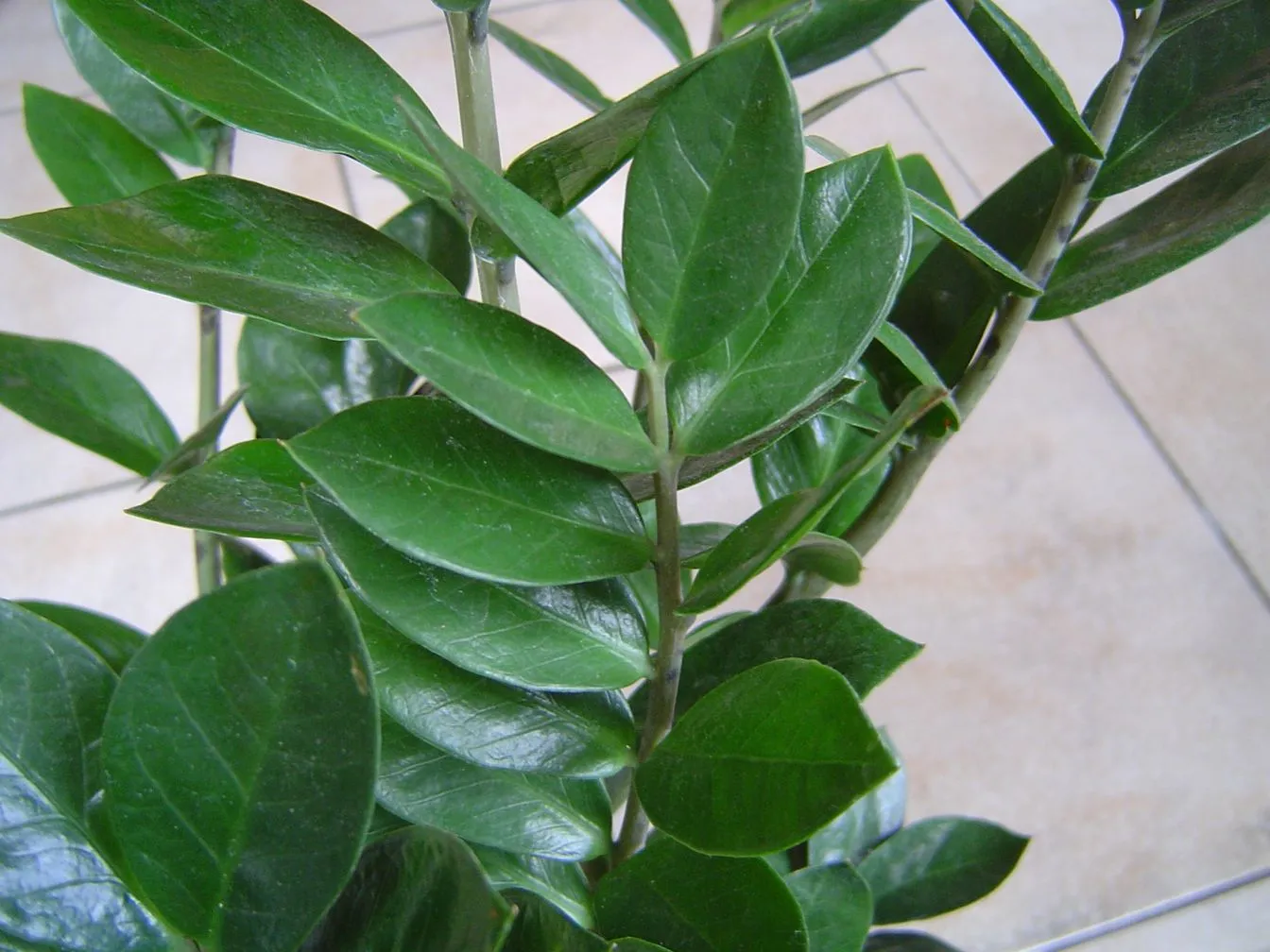
- 250 to 1,000 lux (low light): survival light for the toughest plants: snake plant, ZZ plant, pothos, parlor palm, Chinese evergreen. They'll live, but grow slowly.
- 1,000 to 2,500 lux (medium light): good for most leafy houseplants: peace lily, philodendron, calathea, Boston fern.
- 2,500 to 10,000 lux (bright, indirect): close to a bright window without harsh sun on the leaves. Monstera, fiddle leaf fig, rubber plant, pilea and orchids grow well here.
- 10,000 lux and up (direct sun): what succulents, jade plants, aloe and bird of paradise want for a few hours a day.
For comparison, a bright overcast day outdoors gives 10,000 to 20,000 lux, and full summer sun up to 100,000.
Light Drops Off Fast
Light inside a room falls away quickly with distance from the window. As a rough guide:
- On the windowsill: the full amount.
- One metre back: often half or less.
- Two to three metres back: sometimes only a tenth of the windowsill.
The angle matters too. A plant beside the window, not in front of it, sees much less sky. And anything outside that blocks the sky, such as a tree, a balcony above or the building across the street, cuts the light for the whole room.
Net curtains, tinted or frosted glass and dirty windows take their share too. A sheer curtain alone can swallow a third of the light, which is fine for a plant that scorches, and a real loss for one that's already struggling.
Window Direction and Season
In the northern hemisphere:
- South-facing windows get the most light, with direct sun for much of the day.
- West-facing windows get strong, warm afternoon sun.
- East-facing windows get gentle morning sun, ideal for many leafy plants.
- North-facing windows get even, indirect light and no direct sun. Fine for low and medium-light plants, close to the glass.
South and north swap in the southern hemisphere.
Seasons change everything. In winter the same spot can get a third of its summer light, so a plant that was happy in July may struggle in January. If you measure, the winter reading is the one that tells you whether a spot works all year.
Measuring with Your Phone
You don't need a dedicated light meter. Phones measure light through their camera or their ambient light sensor, and a light meter app turns that into lux.
- Measure at the plant, at leaf height, with the phone pointing toward the window, where the leaves face.
- Measure around midday for a fair comparison between spots, and note whether it's sunny or overcast.
- Compare, don't obsess over the number. Phone readings aren't laboratory accurate, but they're consistent enough to tell you that the bookshelf gets a fifth of what the windowsill gets.
- Repeat on a few days if the weather changes a lot, and again in winter.
No app at hand? Use the shadow test at midday: hold your hand a hand's width above a sheet of paper where the plant stands. A crisp, dark shadow means bright light; a soft but visible shadow means medium light; a faint blur or no shadow means low light.
What to Do with the Numbers
- Match the plant to the spot, not the other way round. A fiddle leaf fig in a medium-light corner will never be happy, however well you water it.
- Move plants closer to the window in winter, and back a little in summer if the leaves scorch.
- Use the dark spots for the tough plants, or add a grow light. A simple full-spectrum LED for 10 to 12 hours a day turns a dark corner into a usable one.
- Turn plants a quarter turn every week or two so all sides get their share.
- Give a moved plant time. A few yellow leaves in the first weeks in a new spot are normal while it adjusts to the new light, so don't move it again straight away.
Signs a plant needs more light: long, thin stems with big gaps between leaves, small new leaves, leaning hard toward the window, variegated leaves turning plain green, and lower leaves yellowing and dropping.
The Short Version
- Your eyes can't judge plant light; measure the spot.
- Most leafy plants want 1,000 to 2,500 lux or more; under 250 is too dark.
- Light halves within about a metre of the window.
- South and west are brightest, north the softest; winter cuts everything.
- A phone is accurate enough to compare spots.
Flora's Spot Finder does this with your phone's camera: it takes one reading where the plant stands and, using the time of day, the date and the direction the window faces, turns it into an estimate of how much light that spot gets over the whole day. Measure a few spots and it shows which suits which plant.