
How to Keep Your Houseplants Alive While You're Away
· 5 min read

For a week or less, most houseplants only need a thorough watering the day before you leave and a spot out of direct sun. For longer trips, group them together, set up a simple wick or bathtub system, or ask someone to water, and tell them exactly what each plant needs.
The rest of this article is the detail: how long different plants really last, what to do the day before you go, and how to bring everything back to normal when you get home.
How Long Can Houseplants Go Without Water?
It depends far more on the plant than on how much you love it. As a rough guide for a normal living room:
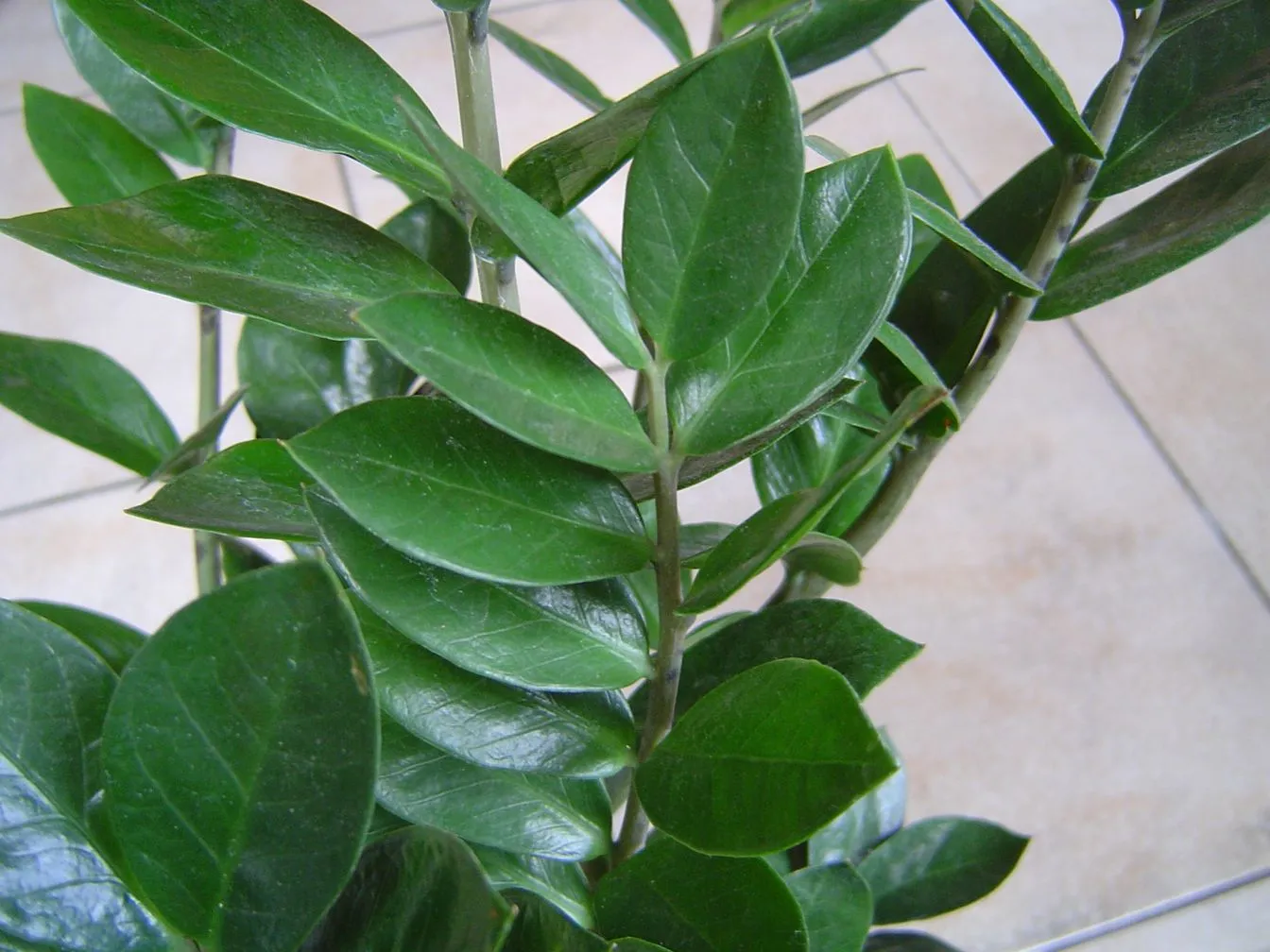
- Succulents, ZZ plants and snake plants: three to four weeks, sometimes longer. They store water in their leaves or roots and are more likely to suffer from too much water than too little.
- Most leafy plants (monstera, pothos, philodendron, rubber plant): one to two weeks, if they go in well watered and out of direct sun.
- Thirsty plants (peace lily, ferns, calathea): a few days to a week. These are the ones that need a plan.
Light and warmth decide the rest. A plant in a bright, warm window dries out twice as fast as the same plant a metre back from the glass. Small pots dry out faster than big ones, and terracotta faster than plastic.
The Day Before You Leave
Most of the work happens here, and it takes twenty minutes.
- Water everything thoroughly the day before, not the morning you leave, so excess water has time to drain. Empty the saucers: a week sitting in water does more harm than a week without.
- Move plants out of direct sun. A metre back from a sunny window halves how fast the soil dries. Nobody will be there to notice a scorched leaf.
- Group plants together in one bright room. Together they keep the air around them a little more humid, and one spot is easier for a sitter.
- Don't fertilise or repot in the weeks before a trip. Both push new growth that needs steady care.
- Check for pests on the undersides of leaves. A few spider mites become a colony in two warm weeks.
- In winter, don't switch the heating off completely. Most tropical houseplants want at least 15 °C.
Trips of One to Two Weeks: Simple Self-Watering
Three methods that work without buying anything special:
- The wick: put a jug of water next to the plant, push one end of a cotton cord a few centimetres into the soil and drop the other end into the jug. The soil draws water as it dries. Test it a few days before you leave to see how fast it runs.
- The bathtub: lay an old towel in the bath, soak it, and stand the plants on it with a centimetre of water in the tub. Only worth it if the bathroom has a window.
- The plastic tent: for small leafy plants, a clear bag over the plant and pot, held off the leaves with a few sticks, keeps the moisture in. Keep it out of the sun, and never use it on succulents, which rot.
Watering globes and spikes hold less water than they look like they do. They're fine for a weekend, not for a fortnight.
Longer Trips: A Plant Sitter
For anything over two weeks, or for a collection full of ferns and calatheas, someone needs to come by. The most common sitter mistake isn't forgetting: it's watering too much out of kindness, because every plant gets the same generous glass every visit.
What helps:
- Write it down per plant: how much water, how often, and what to skip. "The cactus gets nothing" saves more plants than any tip.
- Show them how to check the soil: a finger a few centimetres deep. Dry means water; damp means wait.
- Tell them what's normal: a peace lily droops dramatically when thirsty and recovers within hours of watering. That's not an emergency.
- Ask for a photo halfway through if you'd rather not wonder.
If someone in your household stays at home, sharing the plants properly helps too: one list of what's due, so nothing gets watered twice or forgotten.
The Guest Care Link in Flora
If you use Flora, you can send your plant sitter a care link instead of a note. It's a web page, so they need neither the app nor an account. It shows each of your plants with its photo, what's due and how much water it needs. They tick off what they did, you see it in your plants' history, and the link stops working on the date you choose.
Balcony and Outdoor Pots
Outdoor pots are the hardest part of a summer trip. Sun and wind dry a small pot in a day or two, and rain rarely falls where you need it.
- Move pots into the shade and close together, against a wall that doesn't get the afternoon sun.
- Stand them in deep saucers or trays of water. Outdoors in summer a reservoir underneath is fine for most plants: heat and wind use it up before the roots sit wet for long.
- Mulch the surface with bark or gravel to slow evaporation.
- Bigger pots last longer. If you're planting up before a trip, go a size up.
In winter it's the other way round: outdoor pots need little or no water, but tender plants should come inside or sit against the house before the first frost.
Coming Home
- Don't drown a dry plant. If the soil has pulled away from the pot, water slowly, or stand the pot in a bowl of water for half an hour so it soaks up from below.
- Give droopy plants a day. Most perk up after watering. If one stays limp with wet soil, look at the roots.
- Trim crispy leaves once the plant has recovered, not before.
- Move everything back to its usual spot and go back to your normal routine. Don't make up for the trip with extra water or fertiliser.
The Short Version
- One week: water well the day before, out of direct sun, saucers empty.
- Two weeks: add a wick, the bathtub or a plastic tent for the thirsty ones.
- Longer: a sitter, with written instructions per plant.
- Back home: water slowly, wait before judging, then carry on as normal.
Flora's vacation mode pauses your reminders until you're back and picks them up the day after you return. If you've shared a care link, the schedule keeps running for your sitter instead.