
How to Care for Houseplants in Winter: Heating, Light, Water
· 5 min read
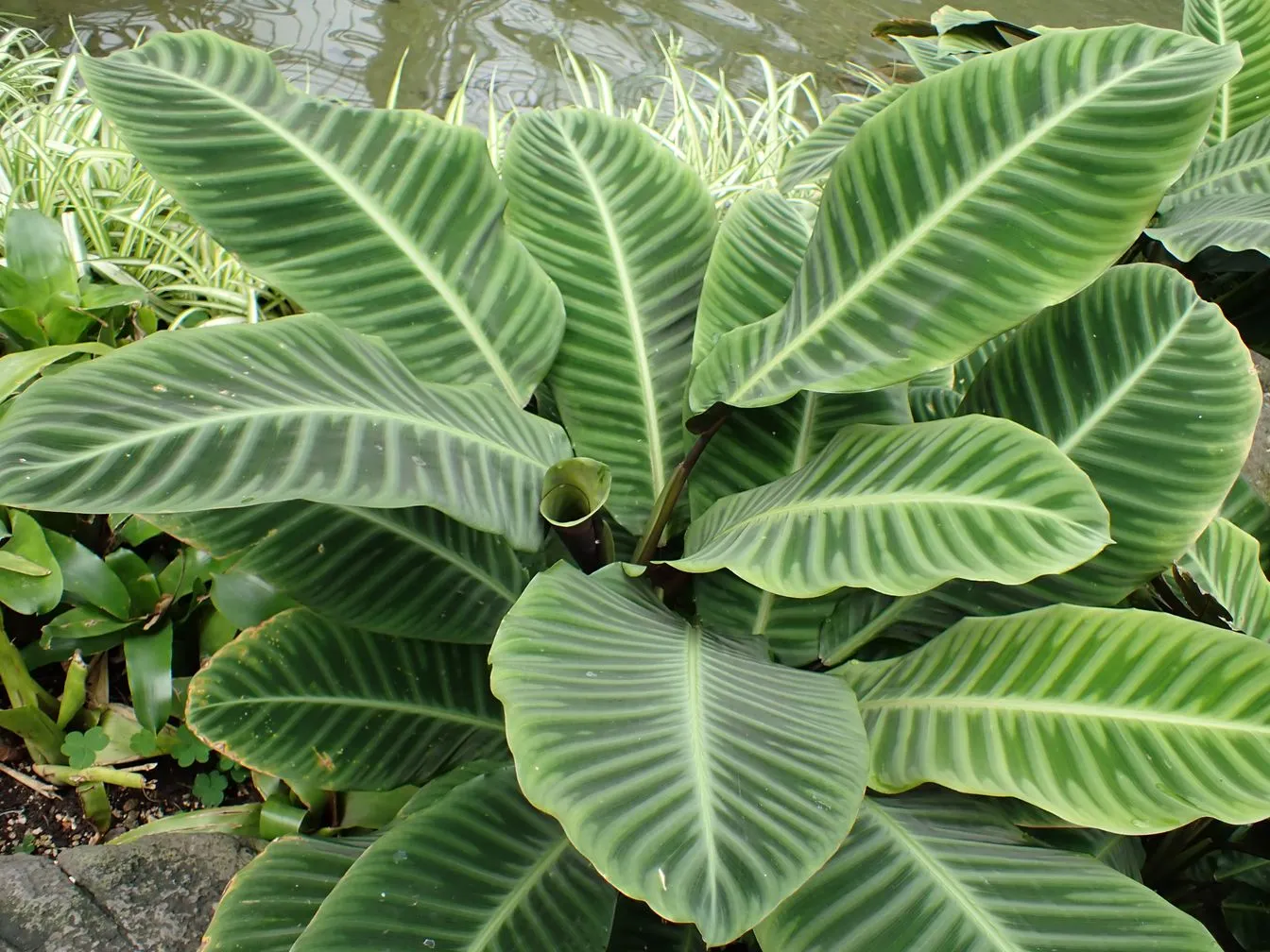

In winter most houseplants need far less water, as much light as you can give them, and some distance from radiators. Water by the soil rather than the calendar, move plants closer to the window, and help the tropical ones with a little extra humidity.
Most winter losses aren't caused by the cold. They come from watering on a summer routine while the plant has nearly stopped growing.
Why Winter Is Different
Two things change at once. Days get short and the sun sits low, so a plant that grew happily in a bright room in July is now getting a fraction of that light. Less light means slower growth, and slower growth means the plant uses far less water.
At the same time the heating comes on. Warm, dry indoor air pulls moisture out of leaves, which is why brown tips and crispy edges show up from November onwards, even on plants whose soil is still damp.
So winter care is mostly about adjusting to those two changes: less water, more light, and some protection from the dry heat.
Watering: Less, and by the Soil
The single most useful winter habit is to check the soil before every watering instead of watering on a fixed day.
- Expect longer gaps. Many plants that needed water every week in summer manage with every two or three weeks now. That's a rough guide, not a rule: the soil decides.
- Check with a finger. For most leafy plants, water when the top few centimetres are dry. For succulents, cacti, snake plants and ZZ plants, wait until the pot is almost completely dry; some barely need water at all until spring.
- Water thoroughly, then drain. When you do water, water until it runs out of the bottom, then empty the saucer. Little sips every few days keep the top wet and the roots short of air.
- Use room-temperature water, and water in the morning so the surface can dry during the day.
Overwatering in winter is how most root rot starts: the soil stays wet for weeks because the plant isn't drinking it.
Light: Move Closer to the Window
Winter light is weak, so plants that were set back from the glass in summer can come right up to it now.
- South- and west-facing windows that were too harsh in summer are often ideal from October to March.
- Clean the windows. Dusty glass and dusty leaves both cut light more than you'd think. Wipe large leaves with a damp cloth.
- Turn plants a quarter turn every week or two so they don't lean and grow lopsided toward the glass.
- Consider a grow light for a dark room or a plant that's clearly stretching. A simple full-spectrum LED for 10 to 12 hours a day makes a real difference.
Pale new leaves and long, thin stems are the plant telling you it's not getting enough light.
Heating and Dry Air
Central heating can drop indoor humidity to 30 percent or less, drier than many deserts.
- Keep plants away from radiators and out of the direct flow of heaters, at least a metre if you can. A windowsill directly above a radiator is the worst spot in the house.
- Group plants together. They release moisture as they grow, and a cluster keeps the air around it a little more humid.
- Use a pebble tray or a humidifier for the plants that really need it: calatheas, ferns and other tropical leafy plants. A tray of wet gravel under the pot helps a little; a humidifier helps a lot.
- Don't rely on misting. It raises humidity for a few minutes at most.
Plants from dry climates, such as succulents, snake plants and ZZ plants, don't mind dry air at all.
Cold Glass and Draughts
The window is where the light is, but it's also where the cold is.
- Leaves shouldn't touch the glass. On frosty nights the glass can get cold enough to damage them.
- Watch the curtains. A plant trapped between a closed curtain and the window spends the night in a much colder pocket than the room.
- Mind the airing. When you open windows wide in winter, move sensitive plants out of the blast of cold air for those minutes.
- Keep tropical plants above about 15 °C. Sudden cold is a common reason for leaves dropping overnight.
Fertiliser and Repotting: Wait for Spring
Most houseplants grow little or nothing in winter, so they can't use fertiliser. Feeding now mostly builds up salts in the soil. Stop in October or November and start again when new growth appears in spring.
The same goes for repotting. Unless a plant is rotting or the pot has broken, wait until March or April, when the plant can grow into its new soil.
Pests That Love Winter
Warm, dry rooms are ideal for spider mites. Check the undersides of leaves when you water, and look for fine speckling or thin webbing. Fungus gnats are the other winter pest: they breed in soil that stays wet, so the fix is mostly to water less.
Reading the Signs
Winter problems look alike, so check the soil before you act:
- Yellow lower leaves, soil still damp: too much water for the light the plant is getting. Let it dry out further between waterings.
- Brown, crispy tips and edges, soil fine: dry air from the heating. Move the plant away from the radiator and raise the humidity.
- Leaves dropping suddenly: a cold draught or a move to a new spot. Find a stable, bright place and leave the plant there.
- Long, pale, stretched growth: not enough light. Move closer to the window or add a grow light.
- Fine speckles and webbing: spider mites, which thrive in warm, dry rooms.
The Short Version
- Water less often, and only when the soil tells you to.
- Move plants closer to the light, and keep windows and leaves clean.
- Keep plants a metre from radiators and off cold glass.
- Help tropical plants with grouping, a pebble tray or a humidifier.
- No fertiliser and no repotting until spring.
Flora lengthens its watering reminders through autumn and winter on its own, so you're nudged to check the soil when your plant is likely to need it, not on a summer schedule. Spot Finder shows which windows still give your plants enough light once the days get short.