A Pet-Friendly Plant Home: Which Plants Are Safe and Which Aren't
· 5 min read
You can have plants and pets in the same home. Plenty of popular houseplants are listed as non-toxic to cats and dogs by the ASPCA, and the ones that aren't can be kept out of reach. The rest of this article covers which plants are safe, where to put the others, what to do about a cat that chews leaves, and what to do if a pet has eaten something.
It matters most in December, when new plants (poinsettia, amaryllis, Christmas cactus) and new pets both arrive in homes.
Plants That Are Safe for Cats and Dogs
These are listed as non-toxic to cats and dogs by the ASPCA:
- Spider plant: fast, forgiving and happy in a hanging pot. Cats love the leaves, which can cause a little stomach upset if they eat a lot, but it isn't poisonous.
- Parlor palm: a soft, feathery look that copes with medium to low light.
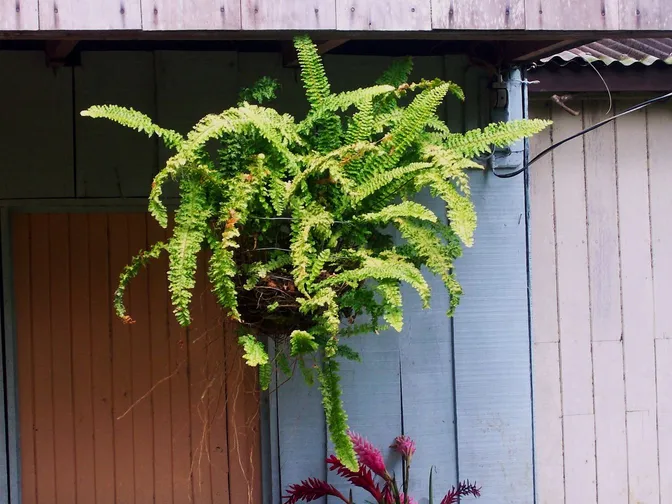
- Boston fern: lush and green, but it wants humidity and dislikes dry heating.
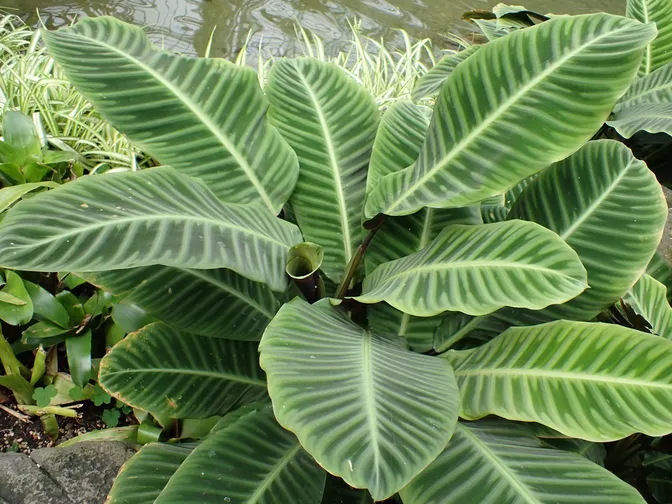
- Calathea: patterned leaves that fold up at night; it wants steady moisture and no direct sun.
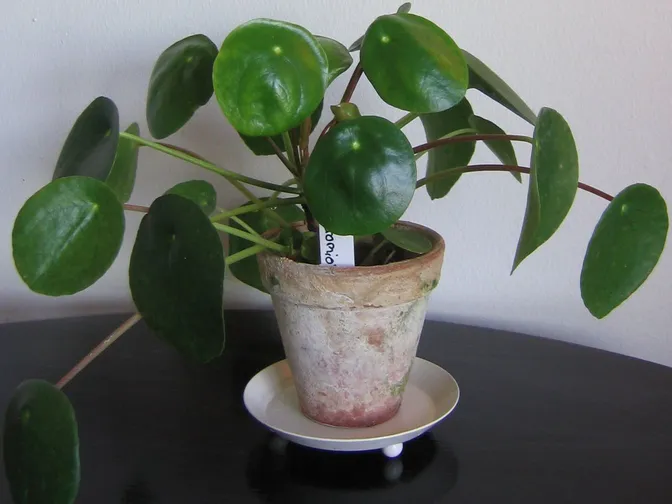
- Peperomia and pilea: compact, easy and good for shelves.
- Hoya: waxy leaves and scented flowers, tolerant of being left alone.
- String of hearts: a trailing plant for a high shelf.
- Money tree: a braided trunk and glossy leaves.
- Moth orchid: flowers for months, and one of the few flowering plants that is pet-safe.
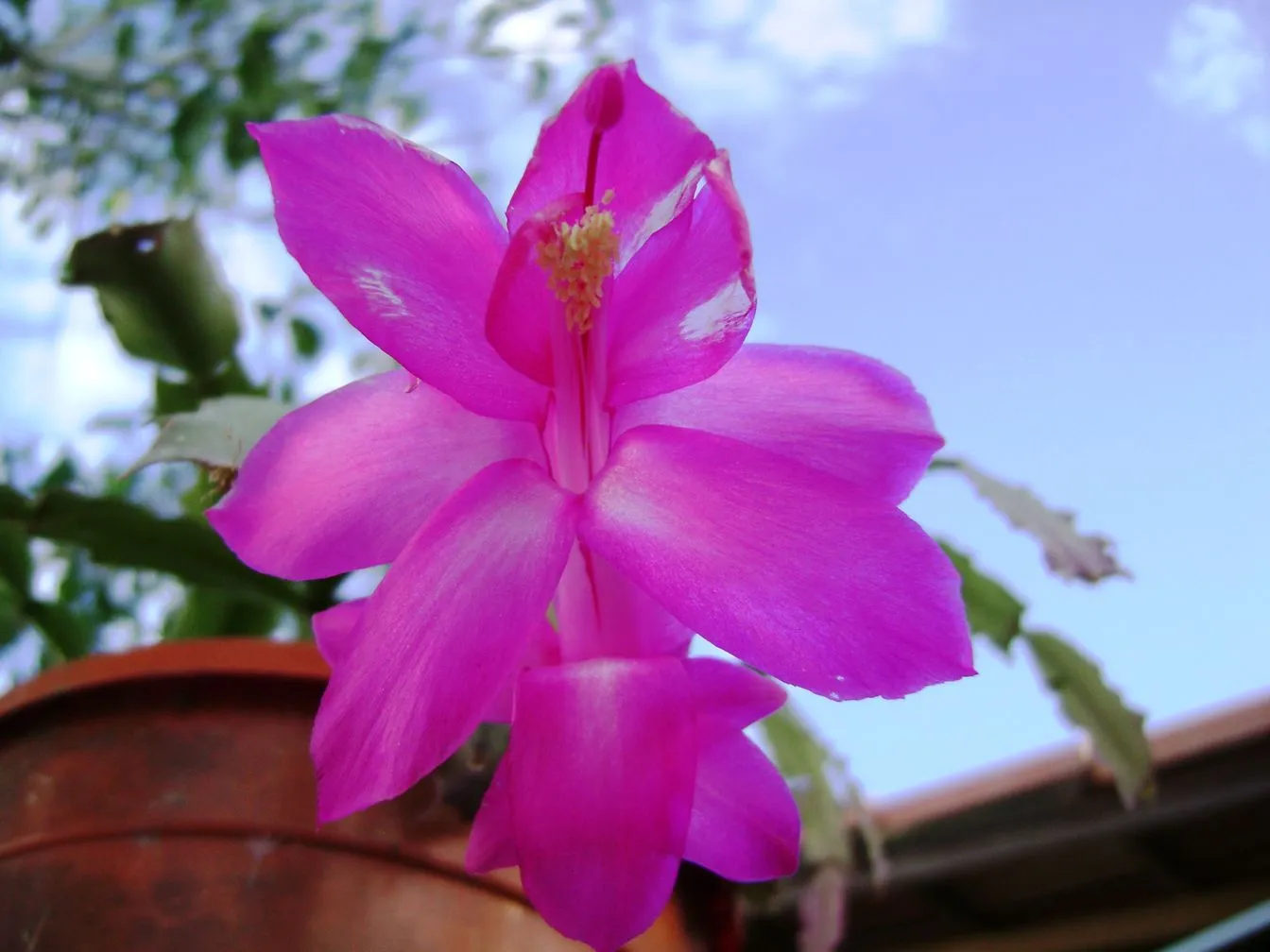
- Christmas cactus: the pet-safe seasonal choice that flowers in winter.
"Non-toxic" means it won't poison a pet, not that it is good to eat. A cat that eats a lot of any plant can still vomit, so keep an eye on a keen chewer.
Flora's pet-safe page lists every plant guide marked safe, and updates as new guides are added.
Plants to Keep Away From Pets
These are listed as toxic by the ASPCA, and are common in homes:
- Pothos, philodendron, monstera, dieffenbachia, anthurium and peace lily: the sap irritates the mouth and causes drooling and vomiting. Unpleasant, rarely life-threatening.
- Snake plant, ZZ plant, jade plant, aloe vera, English ivy and dragon tree: chewing causes drooling and an upset stomach.
- Cyclamen: the tuber is the most toxic part, and a large amount can affect the heart.
Toxic doesn't always mean dangerous. How bad it is depends on the plant, the amount and the size of the pet. But when you are not sure, treat it as a reason to keep the plant out of reach and check.
The Seasonal Plants
- Poinsettia: mildly toxic. The milky sap can cause drooling and vomiting, but it is far less dangerous than its reputation, and it is not deadly. Keep it out of reach anyway.
- Amaryllis: toxic to cats and dogs, and the bulb is the most toxic part. Keep the bulb out of reach before it is planted, too.
- Lilies: a bouquet needs more care than a houseplant. True lilies (*Lilium*) and daylilies are very dangerous for cats: even a little pollen or a sip of vase water can cause kidney failure. If you have a cat, don't bring them home, and call a vet straight away if a cat has eaten any part of one.
- Peace lily and calla lily are not true lilies. They are still toxic, but they irritate the mouth rather than damaging the kidneys.
- Christmas cactus: the safe one. It is listed as non-toxic to cats and dogs.
Where to Put the Toxic Ones
- Out of reach: a high shelf, a hanging pot or a plant stand that a pet can't jump onto. Cats climb, so test it before you trust it.
- In a room with a door, such as a bathroom or an office, if your pet has free run of the rest of the home.
- On a heavy base: a pot that is stable enough not to be knocked over, with the soil covered in pebbles so it is harder to dig.
- Away from drops: pick up fallen leaves and petals promptly, because pets eat what lands on the floor.
A Cat That Chews Plants
Cats chew plants for roughage, boredom or because the leaves move. Some things that help:
- Give it its own plant: a pot of cat grass (wheat or oat grass) or catnip next to the other plants. Many cats switch to it.
- Add play and a window perch, because a bored cat finds your plants.
- Make the plants less interesting: cover the soil with stones and move the leaves, especially trailing ones, out of reach.
- Skip sprays with essential oils: many essential oils are harmful to cats.
- Don't punish it. Moving the plant works; a startled cat that chews tomorrow doesn't.
If a Pet Has Eaten a Plant
- Remove any plant from its mouth and move the pet away from the plant.
- Call your vet or an animal poison helpline straight away, and don't wait for symptoms. In the US that is the ASPCA Animal Poison Control Center; elsewhere, ask your vet for the local poison service.
- Know the plant's name, or take a photo of it and a piece of the leaf with you.
- Don't make the pet vomit unless a vet tells you to.
- Note how much and when, and any signs: drooling, vomiting, lethargy, pawing at the mouth.
Calling early is far easier than treating a pet that has already got worse.
The Short Version
- Many popular plants are safe for cats and dogs: spider plant, parlor palm, Boston fern, calathea, peperomia and Christmas cactus.
- Toxic plants can go on high shelves, in hanging pots or in rooms a pet can't enter.
- Poinsettia is mildly toxic, not deadly; amaryllis is toxic; true lilies are dangerous for cats.
- A plant-chewing cat is often helped by cat grass of its own.
- If a pet eats a plant, call your vet straight away and know the plant's name.
Flora shows whether a plant is toxic to cats and dogs for every plant it identifies. Photograph a plant you are about to buy or one that came as a gift, and the answer is there before it goes on a shelf.