
Bringing Outdoor Plants Inside Before the First Frost
· 4 min read
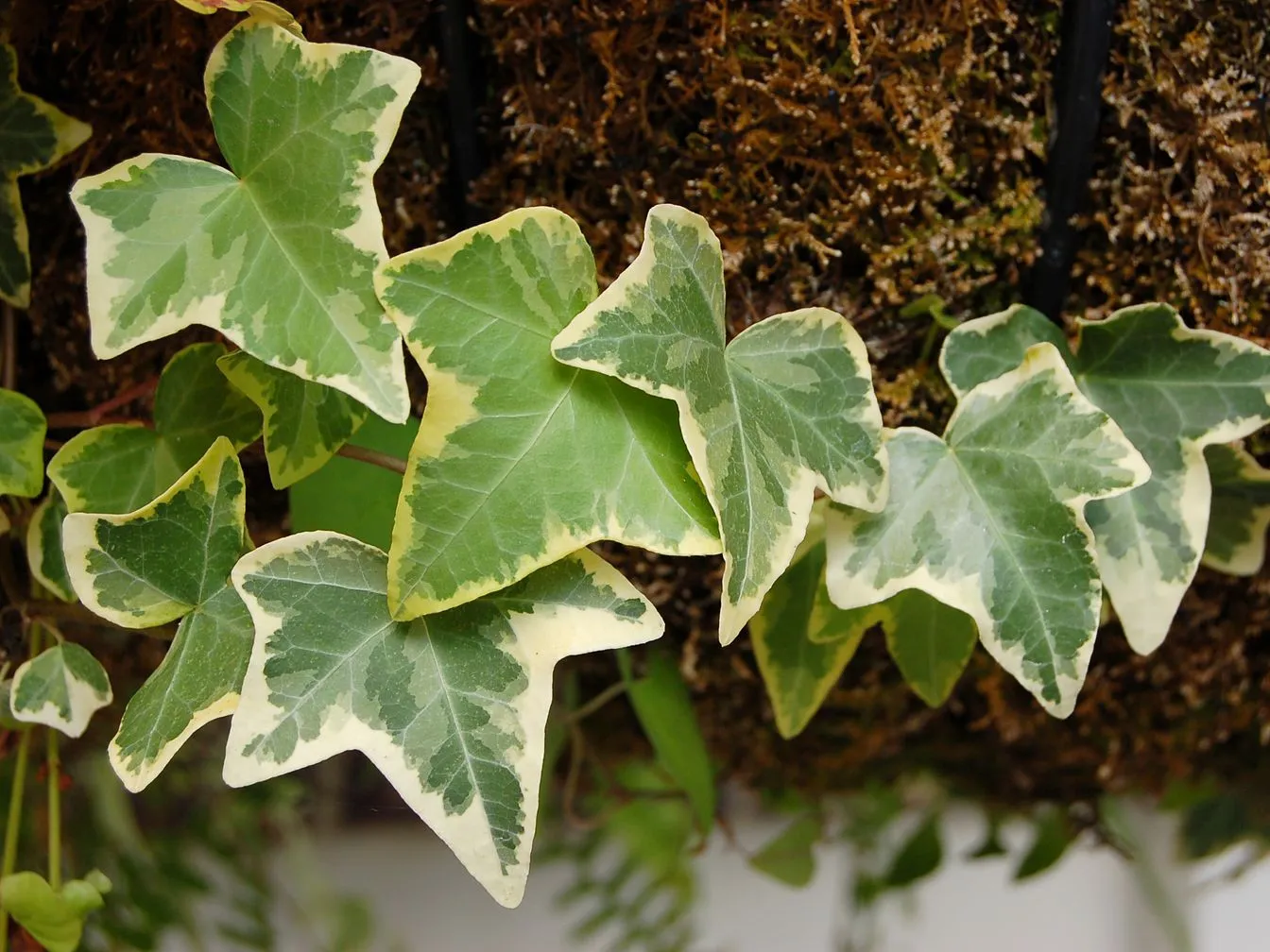

Bring tender plants indoors when night temperatures fall to about 10 °C, well before the first frost, because many tropical houseplants start to suffer chilling damage below about 10 °C. Check them for pests first, expect some leaf drop as they adjust to lower light, and water them less than in summer.
The rest of this article is the detail: how to read the temperatures, a pest check that takes ten minutes, and how to help a summer-outdoors plant settle into a living room.
When to Bring Them In
Go by night temperature, not the calendar or the first frost date. Frost is the point where almost everything tender dies; the trouble starts much earlier.
- Tropical plants (monstera, pothos, rubber plant, calathea, ferns): bring them in when nights start dropping to about 10–12 °C. Cold nights cause leaf spots and sudden leaf drop long before frost.
- Succulents, jade and aloe: can stay out until about 5 °C if they are dry, but wet soil and cold nights rot them. Bring them in when the weather turns damp.
- Hardy plants (English ivy, rosemary, thyme, sage): cope with light frost, and many prefer a cool, bright spot indoors rather than a warm one. Basil is tender and comes in with the tropicals.
- Citrus, geraniums and other patio plants: bring them in before any frost is forecast.
Check the forecast for the lowest night temperature of the next few days. If it is close to your plant's limit, move it in that day rather than hoping.
The Pest Check Before They Come In
Outdoors, pests are kept in check by weather, birds and predators. Indoors there is none of that, and the warm dry air of a heated home suits them well. A few pests carried in can become an infestation within weeks.
- Look closely at the undersides of leaves, the leaf joints and the soil surface. Spider mites leave fine webbing and a stippled, dusty look; aphids cluster on new growth; scale insects are small brown bumps on stems; mealybugs are white cotton-like tufts.
- Rinse the foliage with a strong shower or a hose, top and bottom. This takes off most mites and aphids.
- Wipe or treat anything you find, with insecticidal soap or a similar product, following the label.
- Tip out the pot's surroundings: snails, woodlice and ants like to hide under pots and in drainage holes. Lift the pot, knock out visitors and rinse the saucer.
- Keep new arrivals apart from your existing houseplants for about two weeks. Check them every few days, and only then move them next to the others.
A few minutes spent now saves the long job of treating a whole shelf later.
Helping Them Cope With Less Light
Even a very bright window indoors is dimmer than the open air. A plant that sat in full sun all summer is used to a lot more light than any room offers, and it will react: leaves yellow and drop within a few weeks. This is normal acclimatisation, not a sign you did something wrong.
- Choose the brightest spot you have, close to a south or west window, and clean the glass.
- Move it in stages if you can: a few days in the shade outdoors, then a bright covered spot, then inside.
- Don't repot or feed at the same time. The plant is already adjusting; more changes make it worse.
- Don't panic about leaf drop. Leave the plant where it is, keep the care steady and new leaves will grow in the lower light.
- Turn the pot every week or two so all sides get light.
If a plant gets leggy and pale over winter, it is telling you it needs more light, not more water.
Watering Less
The plant grows more slowly in autumn and winter, and the soil takes longer to dry, so the summer routine now means too much water. Overwatering is the biggest cause of lost houseplants in winter, and root rot starts slowly: the first sign is often yellow leaves or a sudden collapse.
- Check the soil before every watering, with a finger a few centimetres deep.
- Water less often, not less per watering, and always empty the saucer.
- Expect to water about half as often as in midsummer, and less for succulents.
- Water in the morning, so excess has time to drain before the cold night.
Warmth, Humidity and Radiators
Keep plants away from radiators and cold windows. A cold window at night and a hot radiator by day both stress the leaves. Brown tips and curling edges are the typical signs of dry air from heating. A tray of damp pebbles or grouping plants together helps a little, and misting does almost nothing.
A Simple Checklist
- Watch the lowest night temperatures; move tender plants at 10–12 °C.
- Rinse the leaves and check for pests before they come in.
- Quarantine new arrivals for two weeks.
- Give them your brightest spot and don't repot or feed.
- Water less, and only after checking the soil.
Frost Alerts in Flora
If your household has a city set in Flora, Flora can warn you before frost reaches your outdoor plants. Without Premium, each household gets one push for a hard frost (0 °C or below) per cold season; Premium adds frost warnings and the other weather alerts all winter, so you can bring the pots in that day instead of finding blackened leaves in the morning. Plants are marked indoor or outdoor in the app, so the alert only names the outdoor ones.