
How to Water Succulents and Cacti: Soak, Dry, Repeat
· 3 min read
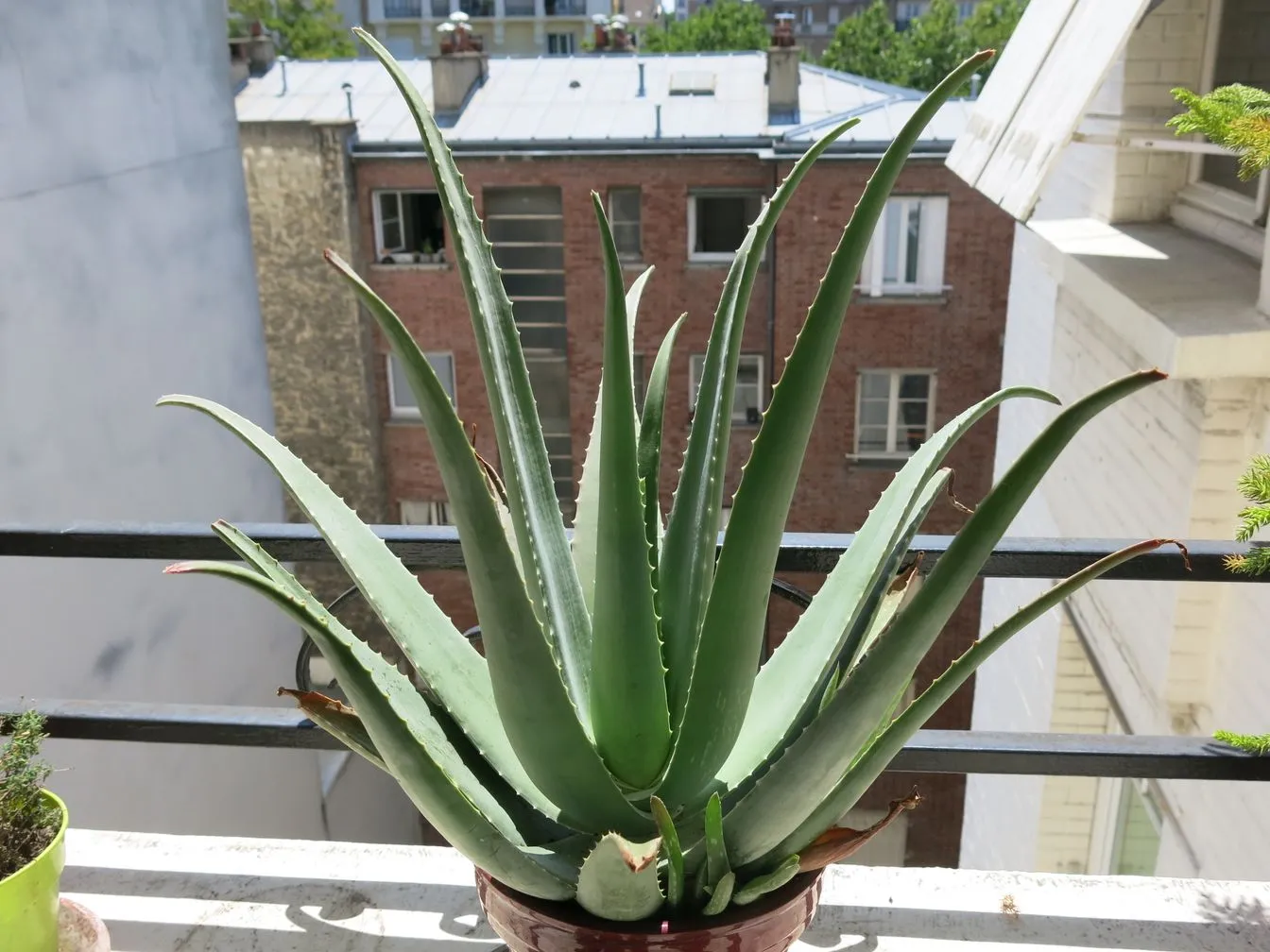

Succulents and cacti store water in their leaves and stems, which is why they survive a missed week and why they rot when watered on a timer. Most of the ones that die indoors are overwatered. The method below is simple: water thoroughly, then wait until the soil is completely dry.
The Soak-and-Dry Method
Pour water slowly over the soil until it runs out of the drainage hole, then stop. Let the pot drain and empty the saucer after a few minutes. Do not water again until the soil is dry all the way through, which you can check by pushing a finger or a wooden skewer deep into the pot. Small sips every few days are worse than one thorough watering: they wet only the top and keep the roots in a damp half-state that invites rot.
How Often
There is no fixed number of days, but typical indoor ranges are a useful starting point. In the growing season, spring through summer, most succulents need water every 1 to 3 weeks. In winter, when growth slows, every 3 to 6 weeks. Desert cacti and plants like jade rest in winter and need very little. A bright, warm room dries the pot faster than a cool, dim one, and a small clay pot dries faster than a large plastic one, so always check the soil first.
Reading the Leaves
The plant tells you what it needs:
- Wrinkled, soft, thin leaves: thirst. The plant is using its stored water. Soak it and the leaves plump up within a few days.
- Translucent, mushy, yellowing leaves, or leaves that drop at a touch: too much water. Stop watering and let the soil dry.
- Black, soft stem at the base: rot. See the section on rescuing a rotting plant below.
- Pale, stretched growth: not water at all, but too little light.
Pots, Soil and Drainage
A drainage hole is the single most useful feature of a succulent pot. Without one, water collects at the bottom and the roots rot, even if you water carefully. Use a gritty mix such as cactus soil with extra perlite or pumice, and do not leave the pot standing in a full saucer. Unglazed clay pots breathe and dry faster, which helps if you tend to overwater. A decorative pot with no hole is fine as an outer pot, as long as the plant sits inside a plastic pot and you empty the water.
Seasons and Dormancy
Many cacti and some succulents rest in winter. Keep them cooler, around 10 to 15 °C, in bright light and give them very little water, only a small amount every month or so, just enough to keep the leaves from shrivelling badly. Watering a dormant plant in a cold room is a common way to lose it. Restart regular watering in spring when you see new growth. Plants that grow in winter, such as some aloes, follow their own rhythm, so watch the plant instead of the calendar.
Rescuing a Rotting Plant
If the base is soft and black, act quickly. Take the plant out of the pot, cut away every soft or brown part with a clean knife until the tissue is firm and pale, and let the cutting dry for several days in the air. Repot it in fresh, dry cactus soil in a clean pot and wait a week before watering lightly. A healthy top can often be rooted again even if the base is lost.
Water Quality and Misting
Succulents do not need misting. A light spray wets the leaves, not the roots, and in still air it can lead to mould. Room-temperature tap water is fine for most. Rainwater is gentler if your tap water is very hard and leaves white deposits on the soil.
Pets and Succulents
Not every succulent is safe. Jade plant, aloe vera and kalanchoe are toxic to cats and dogs, while many echeverias, haworthias and Christmas cacti are not. Check the species before placing it within reach of a pet.