Kalanchoe care
Kalanchoe blossfeldiana
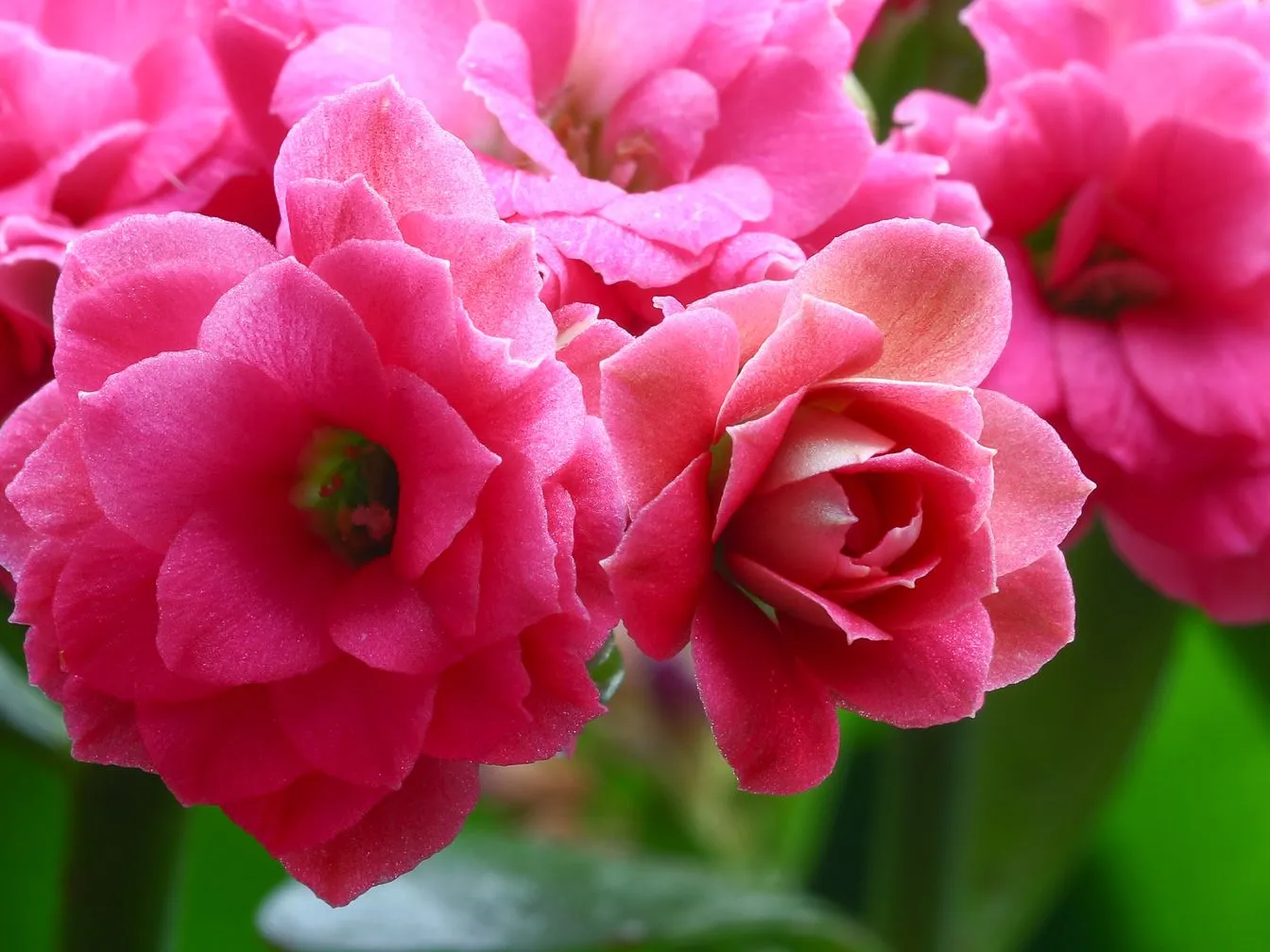
The kalanchoe (Kalanchoe blossfeldiana) is a compact succulent with thick, glossy leaves and clusters of small flowers in red, orange, pink, yellow or white that last for weeks. It is easy to keep alive and, with one trick, easy to bring back into bloom.
At a glance
- LightBright light with direct sun
- WateringEvery 7–14 days in summer, every 14–21 days in winter — when the top few cm of soil are dry
- HumidityDry air is fine
- Temperature15–29 °C (59–84 °F)
- DifficultyEasy
- PetsToxic to cats and dogs
- Common problemsLeggy growth
Intervals are typical indoor ranges. Your light, pot and season change them — always check the soil first. Pet safety per the ASPCA plant lists.
Light
Bright light is best, including a few hours of direct morning sun. A south, east or west window works well. In low light it stretches out, the leaves space apart and flowering stops.
Not sure a spot is bright enough? Flora's Spot Finder measures the light with your phone's camera and shows which spots suit which plants. Get the app
Watering
Water thoroughly when the top 2 to 3 cm of soil are dry: about every 1 to 2 weeks in summer and every 2 to 3 weeks in winter. Empty the saucer afterwards. Like other succulents, it stores water in its leaves and rots in soil that stays wet, so when in doubt wait a few days.
Flora reminds you when it's time to water, learns from what you actually do and adjusts through the seasons. Skip, snooze or switch on vacation mode. Get the app
Getting it to rebloom
Kalanchoe flowers in response to short days. To bring it back into bloom, give it about 14 hours of complete darkness every night for 6 weeks, for example by moving it into a cupboard in the evening and back to the light in the morning. Keep watering it normally, and do not let a lamp switch on at night. Flower buds appear a few weeks later.
Soil and repotting
Use a well-draining mix such as cactus or succulent soil. Repot in spring, only when the roots fill the pot, into a pot a little larger. Remove faded flowers and flower stalks to keep it tidy and encourage new buds. Pinch off the tips of long stems in spring for a bushier plant.
Humidity and temperature
Normal to dry room air is fine. Keep it between 15 and 29 °C, away from frost and cold drafts. It does not need misting.
Common problems
- Leggy growth and no flowers: too little light, or too much light at night. Move it to a brighter window and give it dark nights.
- Soft, mushy stems or dropping leaves: overwatering. Let the soil dry out and cut away rotten parts.
- White powder on the leaves: powdery mildew, common in humid, still air. Give it more air and water the soil, not the leaves.
- White cottony clusters or sticky leaves: mealybugs. Dab them with alcohol.
- Wrinkled leaves: thirst. Water thoroughly.
Is your kalanchoe healthy? Photograph it with Flora: you get a health check and a watering schedule that adapts to your light, your season and your weather. Get the app
Is a kalanchoe safe for pets?
No. The kalanchoe is listed as toxic to cats and dogs. It can cause vomiting, diarrhea and, in larger amounts, an irregular heartbeat. Keep it out of reach.