Feeding
Feeding problems
.jpg)
Quick answer
How often should I fertilise my houseplants?
Most houseplants need a balanced liquid fertiliser at half strength about once a month in spring and summer, and little or none in winter. Pale new leaves and slow growth in the growing season point to too little food; brown tips, a white crust on the soil or wilting right after feeding point to too much.
Not sure what's wrong? Photograph your plant with Flora. The health check tells you what the problem is and what to do next. Get the app
Potting soil holds only a few months of nutrients. After that, a plant depends on you, but more fertiliser is not better: excess salts burn roots faster than hunger harms them.
Too little: how to tell
- Older leaves turning evenly pale or yellow: usually nitrogen. The plant moves it from old leaves to new ones.
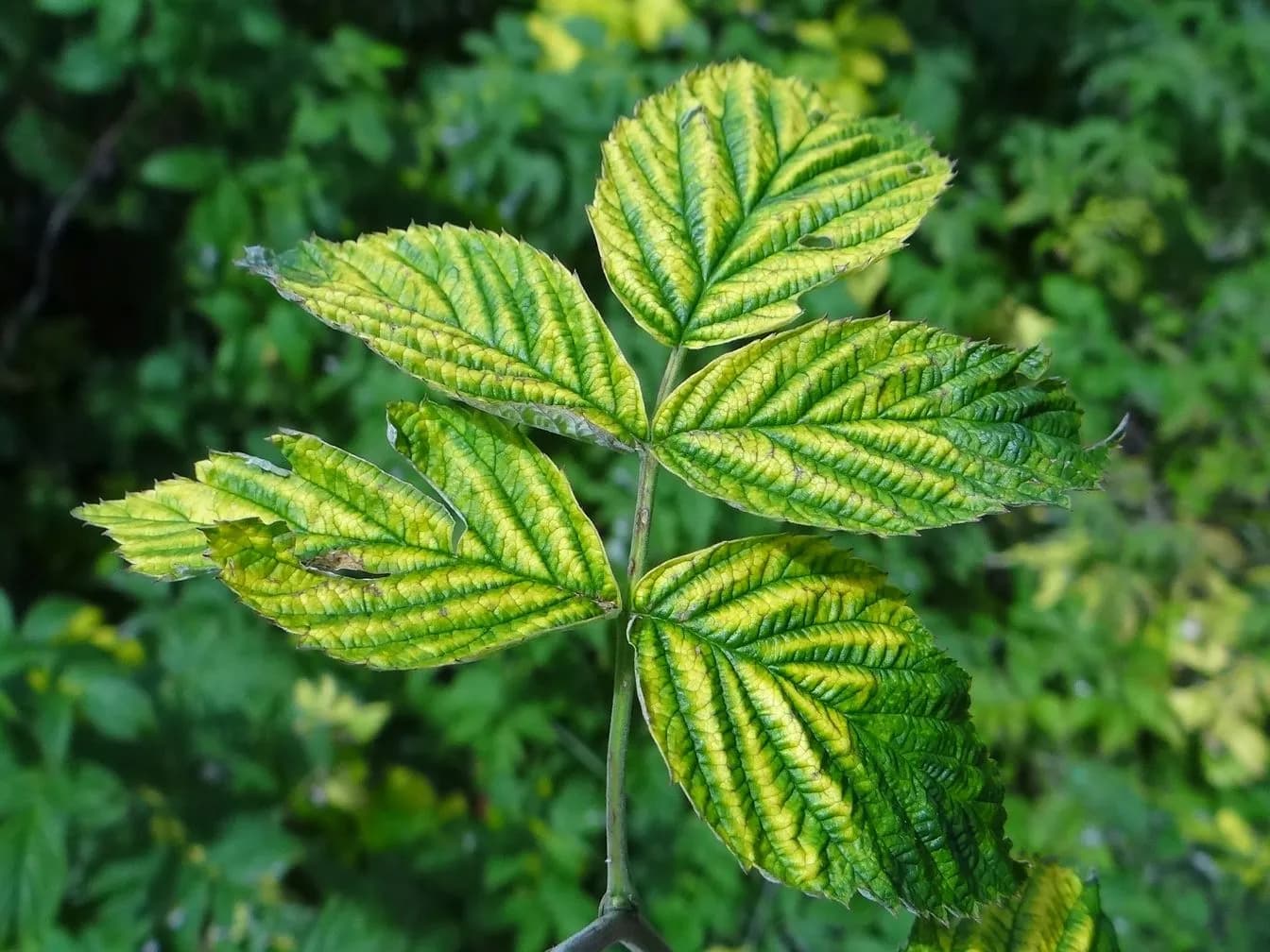
- Yellow between green veins: on older leaves often magnesium; on new leaves often iron, which hard, alkaline tap water can lock up even when it's in the soil.
- Small new leaves and slow growth in spring and summer, in soil that hasn't been changed for a year or more.
Too much: how to tell
- Brown, crispy leaf tips and edges.
- A white crust on the soil surface or pot rim.
- Wilting or leaf drop right after feeding, although the soil is moist.
How to fix it
Underfeeding: feed with a balanced liquid houseplant fertiliser at half the label dose every two to four weeks from spring to late summer. Repot plants that have been in the same soil for more than two years. For iron yellowing, water with rainwater or filtered water and use a fertiliser that contains iron.
Overfeeding: flush the soil: run plenty of water through the pot for a couple of minutes and let it drain. Skip feeding for four to six weeks. If the crust is heavy, repot in fresh soil.
How to feed without problems
Water first and feed onto moist soil, never dry. Don't feed newly repotted plants for four to six weeks, or sick or dormant ones at all. Cacti and succulents need a quarter of the dose; flowering plants like orchids do best with their own fertiliser.
Still unsure? Ask Plant Whisperer in the app. It knows your plants, their history and where they stand, and answers about yours, not plants in general. Get the app